
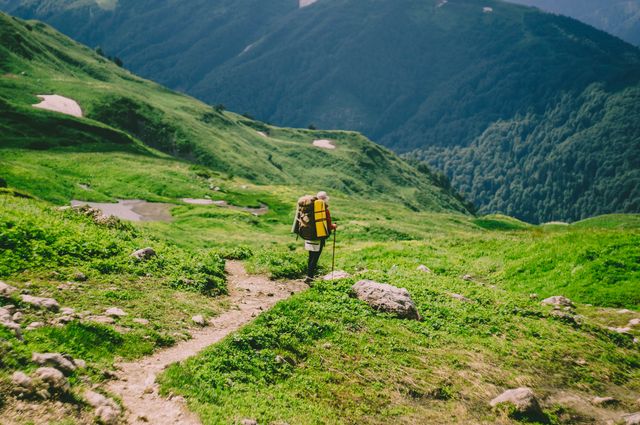

Prepare for a long hiking day with fitness tips, smart fuelling, and the right mindset for a safe, enjoyable trek.
There is nothing quite like spending an entire day out on the trail. Covering miles on foot, taking in fresh air, and leaving the noise of everyday life behind is easily one of the best ways to recharge.
That being said, a beautiful hike can turn into a complete nightmare fast if you aren’t properly prepared.
We have all been there: your feet are throbbing, your water bottle is empty, your legs feel like lead, and you still have five miles to go before you reach the car. While walking seems like the most natural thing in the world, tackling a full-day trek requires a bit of forethought. The goal isn’t just to survive the route; it’s to actually enjoy it from start to finish.
What You'll Discover:
Fuel Your Body Before You Hit the Wall
You wouldn’t drive a car across the country on an empty tank, yet people regularly attempt twenty-kilometre hikes on a cup of coffee and a piece of toast. Huge mistake.
Your body burns an incredible amount of energy during a full day in the hills, especially when you factor in steep inclines and a heavy rucksack. Eating a solid, balanced meal full of complex carbohydrates and protein before you set off gives you the foundation you need.
Once you are out on the trail, the trick is to eat before you feel starving. Waiting until you are completely exhausted means you have already let your blood sugar plummet. Keep small, easily accessible snacks in the outer pockets of your bag so you can munch on the move. Stashing a couple of portable energy bars in your pack ensures you have quick, easily digestible carbohydrates ready when your legs start to tire on a long climb. Small, frequent hits of fuel keep your energy steady all day long.
Build Your Trail Legs Early
You don’t need to be an elite athlete to enjoy a big day outdoors, but showing up with zero conditioning is going to hurt.
The single best way to prepare for walking long distances is, unsurprisingly, walking long distances. Start small and gradually build up your mileage in the weeks leading up to your big trip. Try to seek out uneven ground, grassy hills, or muddy paths rather than staying strictly on flat tarmac.
Adding a bit of simple strength training at home can also make a world of difference:
- Bodyweight squats: Great for building up your quads for steep downhill sections.
- Lunges: Ideal for improving ankle stability and balance on loose rocks.
- Plank variations: Crucial for strengthening your core when carrying a loaded rucksack.
Consistency trumps intensity every single time. Three moderate walks a week will do far more for your trail fitness than one brutal weekend session that leaves you unable to walk for days.
Plan the Route, Don’t Just Guess It
A route that looks easy on a flat map can feel radically different in real life when you factor in five hundred metres of elevation gain and a sudden downpour.
Be realistic about your current fitness level and the hours of daylight you have available. Start your hike early in the morning so you aren’t rushing against sunset. Pacing is everything here: most people start out far too fast because their legs feel fresh, only to completely blow up two hours later. Find a comfortable, steady rhythm you feel like you could maintain all day.
Stay Ahead of Your Thirst
Dehydration sneaks up on you, even on cool, overcast days. By the time you feel genuinely parched, your physical stamina and concentration have already taken a hit.
Carry plenty of water and plan ahead if you know you will need to refill along the route. If you are sweating a lot on steep ascents, adding an electrolyte tablet to your bottle can help replace lost salts and prevent frustrating muscle cramps.
Gear Up for Comfort, Mind the Mindset
Blisters have cut more brilliant hikes short than bad weather ever could. Wear trail-tested boots that are broken in, pair them with decent merino wool socks, and carry blister plasters just in case. Dressing in flexible layers allows you to adapt instantly when the wind picks up or the sun comes out.
Mental stamina is just as vital as gear. You will hit moments where your legs ache, the path keeps going up, and the weather turns grey. When that happens, break the trail down into bite-sized mental chunks:
- Focus on reaching the next footbridge or landmark.
- Stop for five minutes, take in the view, and catch your breath.
- Remind yourself that hiking isn’t a race; taking your time is part of the fun.
Don’t Skip the Recovery
What you do when you get back to the car matters. Take ten minutes to stretch out your tight hamstrings and calves. Drink plenty of fluids, get a good meal into your system, and give your feet a break. When you treat preparation and recovery as part of the adventure, long days outdoors become something you look forward to rather than something you simply have to endure.