
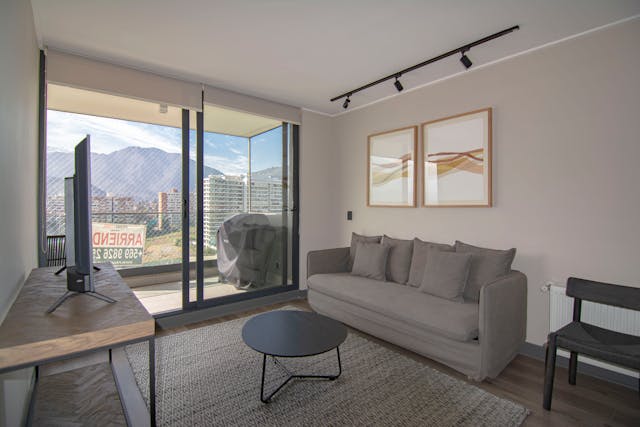

There’s something quietly luxurious about opening up your home to fresh air without turning it into a bug buffet. People spend a lot of time and money chasing the feeling of “more space,” but often the real upgrade is simpler: remove the friction between indoors and outdoors. When a doorway becomes effortless to use, you start treating it like a daily pathway instead of a once-in-a-while feature. The room feels brighter, gatherings spill out naturally, and even a regular Tuesday evening dinner feels a little less boxed in. The best part is that you can get all that openness while keeping the visual lines of your home clean with retractable designs that blend perfectly with any doorway.
That “invisible when you don’t need it” effect is what makes these screens different from the old-school, always-there frames that shout for attention. A fixed screen can be useful, sure, but it also becomes part of your view 100% of the time. A retractable option gives you a choice. You can keep the opening wide and clear when the weather is off, when you want a crisp look for photos, or when you simply want the outdoors to feel like a painting on the wall. Then, when the air is perfect, the screen becomes the easiest decision you make all day.
If you’re already thinking about a renovation, this is one of those upgrades that fits beautifully into the planning process because it touches both design and livability. Door transitions, thresholds, trim, and hardware choices all stack together into how a space feels in motion, not just how it looks in a still photo. If you want a good sense of how whole-home thinking shows up in real projects, you can browse examples of design-led planning at the https://www.cooperdesignbuilders.com website.
What You'll Discover:
Why “disappearing” screens change how a home feels
A retractable screen is more than a functional add-on. It’s a small design decision that affects how often you actually use your doors the way they were intended.
Space isn’t only about square footage
When people say they want a bigger home, they often mean they want fewer barriers. A doorway that’s annoying to operate becomes a mental barrier, even if it’s technically right there. If you’ve ever wrestled with a sticky screen door, you know exactly what I mean. The moment it feels clunky, you stop using it. But when a screen glides smoothly and disappears neatly when it’s not needed, you start opening the door more often, and the home feels more expansive as a result.
The view stays the hero
Fixed screens can dim the visual punch of a bright backyard, patio, or garden. Retractable screens let the view be fully unobstructed when you want it to be. That’s a big deal if your home design leans modern, minimalist, or even just “tidy and calm.” It’s the difference between seeing a fine grid all year and seeing clean glass and open air whenever the moment calls for it.
Design first, mechanics second
It’s tempting to shop for features right away, but the best outcomes come from thinking like a designer before thinking like a buyer.
Match the screen to the doorway’s personality
Different openings create different expectations. A front entry has a different vibe than a back patio door. A kitchen door that sees constant traffic needs a different feel than a quiet office door that opens a few times a day. The goal is to choose a solution that doesn’t fight the rhythm of your home. When the screen respects the doorway, it feels like it belongs, not like it was bolted on later.
Small details decide whether you love it long-term
The “invisible” promise only holds up if the screen retracts smoothly, stays aligned, and feels solid when closed. That’s where quality components matter: track design, tensioning, latching, and how the unit is mounted. When these details are right, you forget the screen exists until you want it. When they’re wrong, you notice it every single day, and not in a good way.
The comfort stack you actually feel day to day
A lot of home upgrades sound great in theory, but don’t change daily life. This one does, because it lands in the moments you repeat.
Fresh air without the trade-offs
The obvious win is ventilation, but the real value is removing the usual compromise. You want a breeze, but you don’t want insects. You want natural airflow, but you don’t want to prop open a door and invite leaves and dust inside. A well-fitted retractable screen makes “open door season” feel easy instead of annoying, which means you use it more consistently.
Light, mood, and the way a room “breathes”
Even when the screen is deployed, it can still support a bright, airy feel because it doesn’t require a bulky frame constantly in your line of sight. And when it’s retracted, the opening becomes visually wide and clean again. That shift changes how a room feels at different times of day. Morning light feels sharper. Sunset looks more cinematic. The space feels more alive because you’re not always looking through an extra layer of structure.
Real-life readiness: kids, pets, and constant movement
A home is only as good as how it handles chaos. The screen has to work when hands are full, when someone is running in and out, and when a pet is convinced the outdoors is calling their name.
Smooth operation beats “fancy features”
In real life, you don’t want something that requires delicate handling. You want a screen that can be used one-handed, that closes reliably, and that doesn’t feel precious. The best systems are the ones that become second nature. People in the house should be able to use it without a tutorial, and guests should intuitively understand it too.
Durability is a lifestyle choice
If your household is active, durability isn’t optional. You want a screen that stays taut, doesn’t pop out of place easily, and holds up to regular use. This is also where professional measurement and proper installation pay off, because a great product can still feel mediocre if it’s not fitted correctly.
Installation planning without losing your mind
This is where many people go wrong: they treat the screen like a last-minute add-on when it’s actually a finishing detail that benefits from coordination.
Timing it with other updates
If you’re repainting trim, changing doors, upgrading handles, or adjusting thresholds, align the screen decision with those changes. It helps the final look feel intentional, and it reduces the chance of needing rework. Even if you’re not doing a full renovation, it’s still worth thinking about how the screen will visually interact with casing, hardware finishes, and the overall style of the entry.
Keep the goal simple: invisible, easy, reliable
A good install is the one you never think about. It retracts cleanly, sits neatly, and doesn’t call attention to itself. If the screen is meant to disappear, then the installation should support that promise with clean lines and a fit that looks like it was always part of the plan.
Care and longevity: keep it feeling new
Even the best systems benefit from a little basic care. The good news is you don’t need a complicated routine.
A few habits that make a difference
A quick wipe-down now and then, keeping the track clear of grit, and paying attention to smooth operation will extend the “like new” feel. If something starts to feel off, it’s better to address it early rather than forcing it and creating bigger wear over time.
Treat it like a daily-use tool
This isn’t a decorative feature. It’s a usability upgrade. When you see it that way, it becomes obvious why quality, fit, and maintenance matter: you’ll use it constantly. And if you choose wisely, you’ll also wonder why you waited so long to make your home feel this open, this comfortable, and this effortlessly connected.