
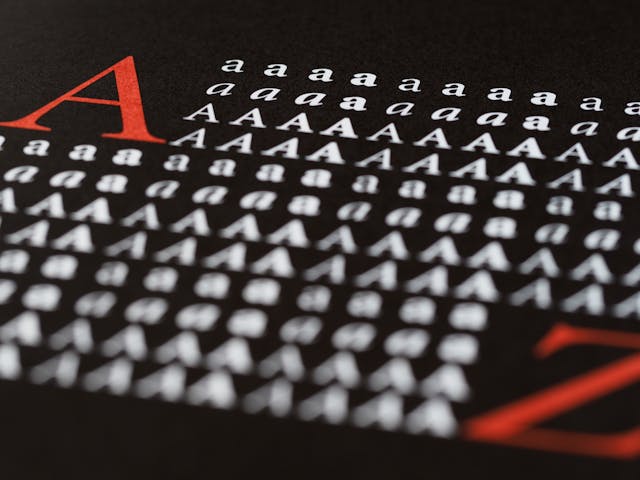

Discover how AI is solving the age-old problem of font pairing and enhancing readability in digital and print design projects.
Typography is one of the most expressive yet technically difficult elements of design, requiring a deep understanding of visual hierarchy and emotional resonance. The purpose of using read AI-powered typography tools is to solve the complex problem of font pairing. Most designers spend hours testing hundreds of combinations to find a heading and body font that complement each other. AI simplifies this by analyzing the geometric properties and historical contexts of thousands of typefaces, recommending pairs that are guaranteed to be visually balanced. This ensures that the message is not only heard but felt, with a typographic voice that perfectly matches the brand’s intent.
The target audience for typographic AI includes graphic designers, book designers, and digital content creators. These professionals are looking for ways to improve the usability of their text-heavy projects, such as websites, magazines, or mobile apps. They require tools that can ensure high readability across different screen sizes and lighting conditions. For instance, an AI can analyze the x-height and kerning of a font to predict how well it will perform on a low-resolution mobile screen. This level of technical foresight is vital for building inclusive digital experiences where text must be accessible to users with visual impairments.
The benefits of AI in typography are centered on clarity and emotional impact. Beyond simple pairing, AI can analyze the sentiment of a piece of copy and recommend a font that reflects that specific tone—whether it is authoritative and traditional or modern and playful. This creates a more cohesive user experience where the visual style and the written word are in perfect harmony. Furthermore, AI can automate the process of kerning (adjusting the space between individual letters), which is a tedious manual task that is essential for a professional, high-end finish. By automating these technical details, AI allows designers to focus on the storytelling aspect of their work.
Usage typically involves a web-based dashboard where a designer inputs their primary brand font. The AI then generates a series of pairings categorized by mood, such as Business, Creative, or Experimental. Designers can also use AI to generate new fonts based on a specific visual prompt, creating truly bespoke letterforms that have never been seen before. This creative freedom is revolutionizing the world of type design. As you develop custom typographic assets, protecting your original work from unauthorized use is crucial; many creators consult Best AI Legal Tools for licensing and intellectual property guidance. AI is turning the intricate art of typography into a more accessible and expressive digital tool.