
El Salvador: 15 Best Places to Visit for volcano hikes, surf towns, Maya ruins, and colorful mountain villages. Plan your trip.
El Salvador might be one of the smallest countries in Central America, but don’t let its size fool you. This beautiful destination offers an incredible mix of Pacific beaches, towering volcanoes, colorful colonial towns, ancient Maya heritage, and lush mountain landscapes. You can spend the morning exploring a historic town, enjoy a traditional Salvadoran lunch, and watch the sun sink into the Pacific Ocean later that same day. There has never been a better time to visit El Salvador.
Looking for the best places to visit in El Salvador? Here are some must-visit spots to include on your trip, whether you’re visiting for the first time, a single traveler adventure-seeker, or just a beach holiday kind of person! El Salvador offers more to see and do than many visitors anticipate and is perfect for the multi-adventure traveler.
Follow it up with a plate of freshly made pupusas to begin your trip, hike to a volcanic crater the next day and wind down the week in an easy-going surf town. That’s the kind of diversity that really makes El Salvador a fascinating destination.
In this guide 15 Places to Visit in El Salvador and what you can expect from each one, the best things to do and tips on how you can plan your trip to these amazing places. Ready to visit El Salvador? Welcome to El Salvador: 15 Best Places To Visit.
What You'll Discover:
1. San Salvador Best for Culture, Food, and City Life.
The capital city of El Salvador, San Salvador, is a perfect place to begin. Sure most will jump straight to the mountains or beaches but if you spend some time in the city you will get a much more intimate look at the culture, history, and day-to-day life of El Salvador.
Start at the historic center. There you’ll see the Metropolitan Cathedral, check out the National Palace, and go inside El Rosario Church, a beautiful place to see lots of color in the stained-glass windows. Museums and markets give you more chances to delve into Salvadoran culture.
And let’s not forget… The FOOD.
Don’t miss out on pupusas before leaving El Salvadorpuffy, thick corn or rice-based little cakes, usually topped with cheese, beans, or pork. They typically come with curtido a tangy fermented cabbage slaw and tangy tomato sauce. Cheap and filling, pupusas are an excellent way to experience Salvadoran flavors.
Top things to do in San Salvador:
- Discover the city’s old town and the places of historic and cultural interest.
- Explore the National Palace and local museums.
- Try a sample pupusa at a local restaurant.
- Explore markets for food and craft items.
- Search restaurants and cafes in popular dining areas.
Travel tip: plan for at least one full day in the capital. If your arrival is late or you wish to visit multiple museums, spending two days may be more convenient.
2. El Tunco Best for Surfing and Pacific Sunsets.
Whether you’ve come across snaps of surfers in El Salvador, you’ve probably seen one of the country’s most popular beaches, El Tunco. Located on the country’s Pacific coast, this laid-back fishing village is one of the country’s most popular destinations thanks to its surf breaks and breathtaking sunsets.
Known for its black volcanic sands and volcanic rock formation along the shoreline, the beach is a surfer’s paradise by day. While people sit on the patios of local cafes or stroll through the village, surfers make their way into the water to ride the ocean swell.
You don’t have to be on a board to experience El Tunco. Beginner lessons are offered at several local surf schools and a day on the beach is an unforgettable experience.
As the sun begins to set, the atmosphere changes. Travelers gather along the coast, restaurants fill up, and the setting sun paints the sky with shades of orange and pink.
Best things to do:
- Try a beginner surfing lesson.
- Capture an image of the renowned seaside boulder.
- Have sunset views from the beach.
- Drop into native cafes or a seafood restaurant.
- Visit neighboring seaside towns.
Travel tip: Pack your beach shoes for heat and dark sand, and check local surf conditions before going in. Strong waves and currents can be dangerous for inexperienced swimmers.
3. Santa Ana Volcano Best for Adventure and Hiking.
Santa Ana Volcano, also called Ilamatepec, is considered one of the most impressive natural sites in the country. Reaching about 2,381 meters, it stands as El Salvador’s tallest volcano and is a key destination for those interested in outdoor activities.
The hike is challenging without being technical, so it is satisfying without needing the heavy gear and skillset of real mountain climbers. You’ll pass diverse terrain, open slopes and stunning vistas of the volcanic landscape.
The highlight is the volcano crater at the top. It’s filled with a lively lake and other striking volcanic formations, offering a distinctly different environment from the beaches and low-rise towns elsewhere in the country.
It’s the complete opposite of a lazy beach day. Be sure to bring your ready-to-hike boots, water to drink, sun protection, and some good old energy to sustain you for the day.
Best things to do:
- Volcanic crater hike.
- Take a photo of the crater lake and the surrounding mountains.
- Discover the rest of Los Volcanes National Park.
- Have the hike and then go to Lake Coatepeque.
Travel tip: before setting out check conditions, access restrictions, and weather reports. Guided groups or local guides may be a legal requirement, and sometimes there’s obscured views due to clouds. Don’t undertake this walk when conditions are not suitable.
4. Lake Coatepeque Best for Relaxation and Scenic Views.
Once the volcano hike is over, Lake Coatepeque is a great place to relax.
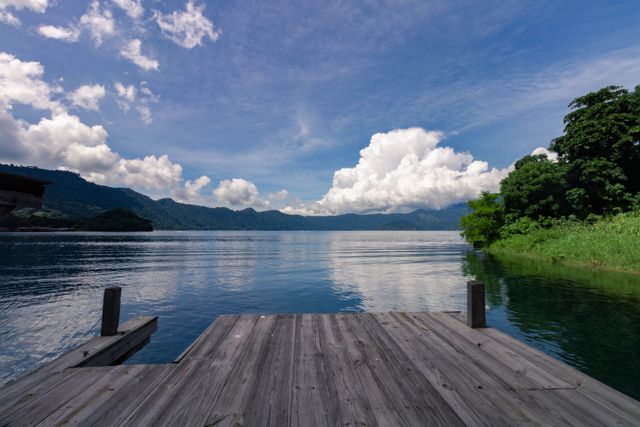
This enormous volcanic crater lake, encircled by lush hills and picturesque lookouts, makes for a tranquil setting where travelers seeking a natural experience won’t be stuck trekking for a whole day.
People come to the lake for dining along the water’s edge, boat trips, and other water-oriented recreation as long as weather and operators are suitable. Many people opt for a restaurant with an outdoor terrace and make a day of relaxing in the atmosphere.
It’s also a good break for couples and families wishing to have a bit more laidback experience in between sightseeing days.
Best things to do:
- Treat yourself to a lakeside meal.
- Join a boat tour with an established company.
- Take a photo of the volcanoes around you.
- Experience a lakeside homesite or vantage point.
- Combine your visit with Santa Ana Volcano right next door.
Travel tip: Weekends see increased traffic and crowded lakeside attractions, so factor in more time for travel. Check out local prices for watersports before booking.
5. Ruta de las Flores Best for Colorful Towns and Coffee Culture.
Ruta de las Flores or Flower Route is one of the nicest areas to visit if you love beautiful towns, local craftsmanship, coffee, and good home-style food.
It’s more a drive than an attraction, although you may consider it a mini attraction by taking a drive through the scenic western highlands with its variety of communities, each with its own quirky personality. You’ll find murals along the street, browse craft shops and stop for regional food.
These three cities warrant special mention:
- Juaya: Famous for traditional food, mainly at the weekend food festival if it is open.
- Concepcin de Ataco: Known for its colorful murals, handicrafts, and attractive streets.
- Apaneca: a mountain community with coffee-growing scenery and outdoor recreation.
This route is perfect because it allows you to take your time. You don’t need to rush past the must-see sites, you can break for a coffee, visit a small shop or have lunch in a town square.
Best things to do:
- Visit vibrant streets and murals.
- Go to a coffee plantation or have a tasting.
- Taste regional speciality dishes and typical snack foods.
- Explore artifacts and regionally produced items.
- Be guided to waterfalls or countryside lookouts, which we are allowed to access.
Travel tip: allow at least a full day for your visit; staying overnight brings additional time to explore the towns at a more relaxed pace.
6. Suchitoto Best for Colonial Charm and Local Art.
Suchitoto is a delightful historic town and a great way to see the more laid-back and traditional side of El Salvador. Cobblestoned streets, colonial buildings, small art galleries and artisan shops make the city a pleasant place to explore on foot.
Nothing captures the artsy vibe of the town more than local woodworking and, of course, the dying of fabric with indigo, which has been part of the culture for centuries. When you learn how to dye fabric with ink, you’ll start to feel even more at home.
Begin with Santa Luca Church and the square then walk through the streets, have a break at a cafe and visit the tiny shops with local products.
On the doorstep Lake Suchiton brings further interest to the trip with the chance to enjoy nature and birding days when the weather conditions are right.
Best things to do:
- Tour Santa Luca Church.
- Explore local art galleries and artisan workshops.
- Read about traditional indigo dyeing.
- Admire Lake Suchiton.
- Drop by Cascadas Los Tercios waterfall when available.
Tip for tourists: Suchitoto is best as an overnight stop. You can experience the real town during the evening hours when the day trippers are gone.
7. Joya de Cern Best for Ancient Maya History.
Some archaeological sites are known for their massive pyramids and grand temples. Joya de Cern Yet offers a different perspective.
The UNESCO World Heritage Site protects the site of a farming community buried by volcanic ash in about the sixth century CE. Buildings and everyday items were preserved when the mountain erupted, providing useful insights into life for the local population.
That’s the most interesting thing about the site. Here you not only learn about the kings and ceremonial structures, but also about farming, daily life and friendly gatherings.
As you wander, you can envision a village of lush gardens and stone housesresting before a volcanic eruption changed it forever. The archaeological remains offer a fleeting glimpse of the everyday.
Best things to do:
- Discover the excavated village buildings.
- Discover the history of farming.
- Learn how volcanic activity preserved the settlement.
- Combine your visit with other archaeological sites in the area as an activity.
Travel tip: opening hours and access to the site should be checked before travelling. A guide is useful in helping to make the historical details much easier to understand.
8. El Boqueron National Park Best for an Easy Nature Escape.
If you’re interested in seeing the volcanic scenery but don’t want to hike up a mountain, El Boquerun National Park is a good choice.
Situated on the San Salvador Volcano, the park is known for its massive volcanic crater filled with lush vegetation, viewpoints, and hiking trails. It is also situated at a high altitude, making it cooler here than in other places in the country.
Nothing beats the crater viewpoint, where you stare down into the immense crater and get a perspective on the enormity of the landscape.
No hiking boots are necessary; you don’t even have to be an avid hiker to enjoy your visit. We know that for many travelers, a brief walk, several photographs and a little time to breathe in the mountain air is all it takes.
Best things to do:
- Stop at the crater viewpoints.
- Stay on marked trails.
- Capture shot of the volcano.
- Visit local cafes and restaurants.
- Dulichallenge – for the trip, couple it with sightseeing in San Salvador.
Travel tip: Pack a lite jacket, mostly when making an early morning run. Fog and rain can reduce visibility, so it’s best to check the forecast before heading out.
9. Tazumal Best for Archaeological Exploration
Another must-see archaeological site in western El Salvador is Tazumal. Situated close to Chalchuapa, the site has an impressive collection of pre-Columbian buildings linked to the Indigenous roots of the area.
It’s a great complement to a Joya de Cern visit on an itinerary because the two places provide contrasting visions of the past. Joya de Cern is mostly good for a grasp of village life, while Tazumal allows for a greater feeling of the monuments and ceremony.
You need not be a history buff to enjoy this experience, but. A stroll around the area and gaining an understanding of who created and what purpose the land served can add a whole new meaning to the history of the land.
Best things to do:
- Explore the ancient structures.
- Discover information about the archaeological importance of the site.
- Explore Chalchuapa and its surrounding attractions.
- Join the stop with a run to Santa Ana.
Travel tip: Ask about a guide who can tell you about the various stages of construction and the cultures that built and occupied the site.
10. El Zonte Best for a Relaxed Surf Town.
El Zonte is a surf, ocean-view, laid-back destination on the Pacific coast. This is the place to stay if you are planning to spend a few days near the ocean, but do not want to revolve your vacation around sightseeing.
The beach’s volcanic sand and jagged coastline generate waves, which draw surfers for most of the year. Whether they’re new to surfing or experienced, visitors can find local instructors to give them lessons, or surf the breaks for more experienced visitors.
But it’s not just the surfing that draws you in. It’s the slower pace of life. You could grab breakfast at a cafe, be out by the ocean for a little while, and end with a sunset walk.
El Zonte is also linked to El Salvador’s emerging surf tourism industry, making it a worthwhile detour for those who love seaside destinations and outdoor adventures.
Best things to do:
- Sign up for a surfing class.
- Unwind at a seaside cafe.
- Enjoy a Pacific sunset.
- Check out local seaside villages.
- Peaceful beachside relaxation.
Travel tip: not all parts of the beach are safe to swim. Seek advice from local accommodation staff about currents, tides, and safer beaches.
11. Los Cabanos Best for Marine Life and Diving.
If you want something outside the usual places of El Tunco and El Zonte, you can visit Los Cabanos in the Western Pacific.
Snorkelling trips and dives from boats with certified operators are all available in this reef environment popular for marine activities and snorkelling and diving trips. It is a good option for El Salvador visitors wanting to venture away from the surf beaches.
The weather and season greatly affect marine environments, and underwater visibility depends on weather, tides, and water conditions. If diving is a priority, contact a reputable local operator before making travel plans.
If you’re more of a land lover, the relaxed atmosphere and oceanic views of Los Cbanos are still reason enough to visit.
Best things to do:
- Book a snorkeling or diving tour with a guide.
- Discover the shoreline.
- Look for Ethical Wildlife-Viewing.
- Savour local seafood.
- Be sure to have some time to relax on the beach.
Travel tip: Select a tour operator that adheres to wildlife-friendly guidelines and do not touch the coral or bother marine creatures.
12. Playa El Cuco Best for a Quiet Beach Holiday.
Situated on the eastern side of El Salvador, this expansive stretch of coastal sands caters to those travelers seeking a less frantic atmosphere.
El Cuco offers a greater sense of space and is not as centered around surfing as the more popular surf towns near La Libertad. Where you choose to stay, you will find beaches and nature, delicious fresh seafood, sweeping views of the ocean, and a respite from trafficked city streets.
The beach is also an excellent location for venturing along the east coast, including its adjoining coastal communities and other outdoor activities.
Best things to do:
- Have a stroll at the coast.
- Experience freshly prepared seafood.
- Lounge by a seafront lodging.
- Wander to the local beaches and fishing villages.
- Enjoy the Pacific sunset.
You can also read how to make the most of your trip to La Union.
Travel tip: you will need more advance planning if traveling to Eastern El Salvador by bus. Research connections and return schedules in advance or arrange a reliable private transfer.
13. Puerta del Diablo Best for Dramatic Mountain Views.
The Devil’s Door, or in Spanish Puerta del Diablo is a mainly impressive rocky mountain formation located in the rolling hills south of the city of San Salvador. It has a collection of rocks and scenic vantage points, which attract many visitors.
The scenery around is a refreshing departure from the city. If clearly, you can enjoy a panoramic view of the hills and valleys, and this makes a great photo stop and brief walk in the outdoors.
This is mainly handy if you’re hoping to include a nature element to an otherwise city itinerary but without a significant commitment of a whole day’s mountain hike.
Best things to do:
- Take in the free panoramic views.
- Take photos of the surrounding rock formations.
- Amble a bit round the neighborhood.
- Take in other close by sights at the same time.
Travel tip: visit us first to find out about access arrangements. Visitor facilities and places you can visit tend to change, so always plan ahead. Do not venture off established paths and don’t go near the edge of loose rocks.
14. Alegra Best for Mountain Scenery and a Quieter Escape.
Alegria El Salvador is a little mountain town in eastern El Salvador, which is blessed with cooler temperatures, beautiful nature surroundings, and a volcano crater lagoon called Laguna de Alegra.
The best place for tourists who love exploring an off-the-beaten-path part of the country. This peaceful town is a quiet retreat from the busier beaches, and the beautiful scenery makes for good photo taking as you explore the hills.
Laguna de Alegran is perhaps best known for its peculiar green color, although the lake changes in hue and clarity according to the environment.
Best things to do:
- Enjoy a day at Laguna de Alegre once you are able to access it.
- Take a look at the town’s viewpoints and streets.
- take photos of adjacent highlands.
- Leave the crowds behind at a relaxed stop.
Travel tip: Check to see if access in the hills is open and what road conditions and weather are forecast before you travel. Bring a light jacket if you expect to be outdoors during early morning or late afternoon.
15. Bahia de Jiquilisco Best for Wildlife and Nature.
Bahia de Jiquilisco is one of the most significant ecological regions of El Salvador, comprising many coastal and inland mangrotes, several waterways and habitats for various animal life.
This is a perfect place to visit if you’re someone who loves nature and tends to shy away from crowded venues. Based on the tour, conditions, and location, you may be able to see portions of the bay by boat, enjoy birdwatching or discover the significance of mangroves in the ecosystem.
The bay is also a spot for conserving and protecting threatened sea turtles, like the hawksbill turtle. If you’re more of a wildlife enthusiast, seek out responsible local excursions that work to reduce disturbance.
Best things to do:
- Participate in a boat cruise along appropriate mangrove waterways.
- Enjoy wildlife and bird watching from a responsible distance.
- Become acquainted with coastal conservation.
- Get to know the local communities and their connection to the bay.
- Take pictures of the tranquility of nature.
Travel tip: Seeing animals is never a certainty. Always listen to your guide and avoid trips that enable visitors to pet or feed wild animals.
That wraps up our list of El Salvador: 15 Best Places to Visit.
Best Time to Visit El Salvador
Which season is best for visiting El Salvador? This depends on what you are most interested in the most surfing, hiking, spending time in nature, or just chilling on the beach.
There are two seasons: dry season and wet season. It tends to be drier from November to April, which is ideal for sightseeing and volcano hikes. There’s more rain from May to October with lusher, greener landscapes. But, it differs between the regions.
| Season | What to Expect | Best For |
| NovemberApril | Generally drier weather | Hiking, sightseeing, and road trips |
| MayOctober | Rainier afternoons and greener scenery | Nature, waterfalls, and lush landscapes |
| DecemberFebruary | Popular dry-season travel period | First-time visitors and outdoor activities |
| MarchApril | Weather is hot in most lowland areas | Beaches and coastal holidays |
A brief note of caution: don’t just rely on the calendar to make your decision. Look at the weather forecast in the places you intend to visit, most of all before tackling a volcano or heading off to the coast.
Suggested 7-Day Itinerary for El Salvador
7 Days in El Salvador If it’s your first trip, seven days will allow you to see different parts of the country without having to cover so much ground. Based on El Salvador: 15 Best Places to Visit, this itinerary simplifies the places.
Day 1: Discover San Salvador
Stroll the old city, see a museum and sample local pupusas. Plan for a gentle opening day to allow you to acclimatise to the climate and transport.
Day 2: Visit El Boquern
Relax with volcanic views and short strolls, then head to the city for an evening in an established restaurant district.
Day 3: Hike Santa Ana Volcano
Start your guided hike early, making sure to allow enough time for transport, the climb, and the return trip.
Day 4: Relax at Lake Coatepeque
Have lake views, a relaxed lunch and try out a boat cruise (if the weather allows and the operators)
Day 5: Explore Ruta de las Flores
Drop in on one or two of the region’s lively towns, enjoy the local cuisine and explore its coffee scene.
Day 6: Explore History and Heritage
Visit either Joya de Cern or Tazumal, based on opening hours, your interests, and transport arrangements.
Day 7: Finish at El Tunco
Have fun on the pacific coast, take a surfing lesson or relax on the beach before you leave.
As you’ll be moving around the country on this itinerary, make sure you take into account the distance and travel times before you book your accommodation. Feel like relaxing more? Remove one of the inland stops and add in an additional night along the coast.
Practical Tips for Visiting El Salvador
Some planning can help make your trip easier, mainly if you have to go to a number of places.
1. Plan Your Transport
Getting around in El Salvador El Salvador isn’t large, but travel times can be long based on the traffic, road conditions and where you’re going.
Taxi/bus, private transfer or organised tour? You may prefer a bus taxi, private transfer or a tour. If you go on volcano walks or to out-of-the-way natural sights, it’s better to pre-arrange good transport to leave you more confident of getting back.
2. Carry Cash and Check Payment Options
The US dollar is the official currency of El Salvador. It’s always a good idea to have some cash in small denominations for local markets, shops, and restaurants, just to be sure card payment will work.
3. Pack for Different Conditions
If you visit a beach town, it may be hot, while cooler mountain towns might be cloudy, rainy, or foggy.
Consider packing:
- Walking shoes or hiking shoes that are comfortable.
- Clothing for warm weather and swimwear.
- Sunscreen, hat, and sunglasses.
- A light rain jacket with a layer that is warmer.
- Sources of drinking-water that can be reused.
- Any personal medication required.
4. Take Local Safety Advice Seriously
The security situation has changed dramatically over the last couple of years but conditions and restrictions can change. Before you travel, check whether your government has issued a travel advisory for El Salvador and follow the safety advice.
Travel safely, lock valuables and avoid “drift” into lesser known areas in the evenings. For outdoor activities, check weather/route conditions and employ a reputable guide where applicable.
5. Learn a Few Spanish Phrases
Language Spanish is the dominant language of El Salvador. Some basic expressions can help you get on with everyone.
- Hola Hello
- Por favor Please
- Gracias Thank you
- Cunto cuesta? How much does it cost?
- Dnde est? Where is?
Some effort, but small, can help you feel more at ease in ordering your meals, asking for directions and talking to local people.
Frequently Asked Questions
What Are the Most Beautiful Places to Visit in El Salvador?
Santa Ana Volcano, Lake Coatepeque, Ruta de las Flores, El Tunco and Baha de Jiquilisco are fantastic options for those in search of natural beauty. There’s something for everyone, from volcanoes and mountain villages to beaches and mangroves.
How Many Days Do You Need in El Salvador?
A good starting point for a first trip is 5-7 days. A week is enough to get a taste of the capital, a volcano or a lake, a historic town and the Pacific Coast. If you’re interested in the eastern half or doing a more relaxed itinerary, 10+ days.
Is El Salvador Worth Visiting?
Yes, mostly if you love surfing, outdoor activities, traditional food, archaeology, and small towns. Its combination of Pacific coastline, volcanic scenery, and cultural attractions makes it a distinctive destination in Central America.
Which Is the Best Beach in El Salvador to Visit?
El Tunco is the perfect surf scene and sunset viewing destination, while El Zonte is ideal for a more laid-back beach vibe. El Cuco might be the destination for a more low-key beach holiday. So, your choice will hinge on whether you want to surf, swim, see the views, or chill out.
Is El Salvador Suitable for First-Time Visitors?
It is if you are able to organize your transport and accommodation in advance, select more popular tourist destinations, and keep up to date with the current safety status. First-timers might find it more manageable to begin in San Salvador and visit places in the vicinity.
What Food Should You Try in El Salvador?
Try pupusas first on your list should be pupusas, the best known traditional food of the country. But don’t leave the country without tasting yuca frita tamales, traditional soups, fresh seafood and a fresh coffee.
What Are the Most Beautiful Places to Visit in El Salvador for the Nature Seekers?
Good options are Santa Ana Volcano, El Boqueron National Park, Lake Coatepeque, Los Cabanos, and Bahia de Jiquilisco. All provide the combination of hiking, volcano views, coastal habitat and animals in the wild.
Key Takings
- The best places to visit in El Salvador aren’t limited to one type of experience. The country offers the excitement of a volcano hike, the calm of a mountain town, the history of an ancient settlement, and the simple pleasure of watching the sun set over the Pacific.
- If you are visiting for the first time, consider prioritizing Santa Ana Volcano, Lake Coatepeque, Ruta de las Flores, Suchitoto, and El Tunco. These locations together offer a well-rounded introduction to El Salvador’s scenery, culture, and coastal atmosphere.
- Most importantly, be flexible! Stay at a cafe longer, step outside of your comfort zone and try a new food, or take the longer route when possible. Those unplanned stops may turn out to be just as unforgettable as the main sights! No matter which places you visit from El Salvador: 15 Best Places to Visit, you’re sure to have a great trip!
Additional Resources
- Joya de Cerén Archaeological Site – UNESCO World Heritage Centre: Official UNESCO listing for the ancient Maya farming village preserved under volcanic ash.
- Santa Ana (Ilamatepec) Volcano – Official El Salvador Tourism: Trail details, entry fees, and park information for El Salvador’s highest volcano.
- Tazumal Archaeological Park – Official El Salvador Tourism: Visitor guide to the Maya pyramid, ball court, and site museum in Chalchuapa.