
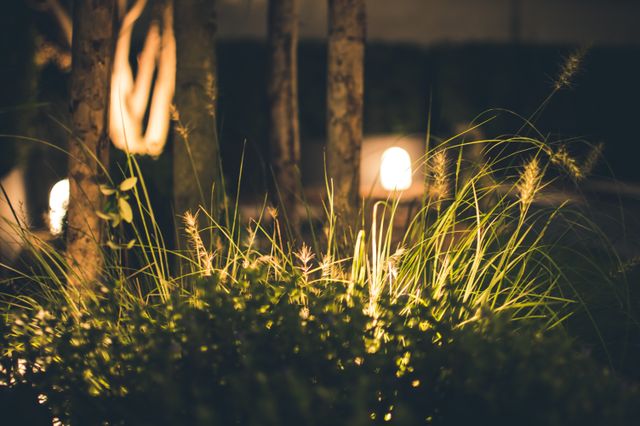

Create a wildlife-friendly garden with soft, magical night lighting that supports birds, bats, insects and nature.
You don’t need to light up every corner of a garden for it to feel welcoming once the sun’s gone down. Some of the loveliest outdoor spaces rely on small pools of light, natural textures and a few well-chosen touches rather than floodlighting the whole plot. Done well, this can feel magical to us while still leaving plenty of dark, quiet corners for insects, birds, bats and whatever else likes to wander through after dark.
Start by working out which parts of the garden actually need lighting. A path, a step or somewhere to sit might benefit from a little illumination, whereas hedges, ponds and thick planting are usually better left alone. Used sparingly, solar fence lights can highlight practical areas around the garden boundary without trailing cables across the lawn or bathing the whole space in a permanent glow.
Start With the Dark, Not the Decorations
Before you get the fairy lights out, spend a few minutes standing in the garden after dusk. Have a look at where light from the house, the street or next door already reaches. You might find some areas are brighter than you thought and don’t need any extra help.
Work out where wildlife is likely to be hanging about. Thick hedges, old trees, ponds, log piles and gaps under the shed all offer food, shelter or a way through the garden. Leaving these spots dark and undisturbed gives animals room to move without the whole place turning into a glaring obstacle course.
Rather than lighting the entire boundary, focus your efforts on one or two spots for people. A gently lit patio or a short stretch of path is often enough to see by, while the rest of the garden is left to settle into darkness.
Go Warm and Low, Not Bright and High
Cool, harsh white light rarely feels right outdoors, especially in a smaller garden. Something warmer and softer sets a much calmer mood and doesn’t take over the space.
Where you can, keep lights close to the ground and angled downwards. That way you’re lighting the surface you actually need to see, rather than sending light up into the trees or the sky. It also helps stop light spilling into next door’s windows, which is rarely the way to stay on good terms with the neighbours.
Try to avoid putting lights right next to nesting boxes, insect hotels, ponds or feeding spots. If you do need a light nearby for safety reasons, angle it away and use the dimmest setting that still does the job.
Let a Few Small Details Do the Work
A garden doesn’t need dozens of decorations to feel magical after dark, often just a couple will do. One tree trunk lit softly from below, a lantern left on the table, or a subtle string of lights along a path can have more impact than covering every fence panel.
Natural materials come into their own once the light starts to fade. Clay pots, weathered wood, stone, woven baskets and metal lanterns all throw interesting shadows without needing bright colours to stand out. Try grouping three planters of different heights near where you sit, or leave a shallow bowl of water somewhere it might catch a little reflected light.
Choose Plants That Come Alive at Dusk
Certain plants really only show off once daylight starts to disappear. White and pale flowers stay visible for much longer than darker ones, and silvery or variegated leaves catch what little light remains.
Look at white foxgloves, pale roses, lamb’s ear, jasmine or other evening-scented plants that suit your garden’s conditions. Scent can make a space feel special without adding any visual clutter, and flowers that release their fragrance at night often bring in moths and other pollinators too.
Planting in layers helps a garden feel enclosed and full of interest, even once it’s hard to make out the finer details. Put taller plants towards the back, softer foliage in the middle and low ground cover at the front. And leave seed heads standing where you can, they offer texture, shelter and a bit of food for visiting wildlife.
Make the Seating Area Somewhere You Actually Want to Sit
The bit of the garden meant for people should feel inviting, not like it’s been over-thought. A bench, a couple of chairs or even a picnic blanket on the grass might be all you need.
A few outdoor cushions, a folded blanket and a small table for drinks go a long way. Pick decorations you can easily bring indoors or pack away, so the space stays flexible and nothing’s left out to get battered by the wind.
Seen from the house, the seating area should look like a warm little focal point, not the centre of a floodlit stage. Drawing the curtains or blinds in rooms you’re not using can also cut down on light spilling out into the garden unnecessarily.
Try Homemade and Natural Decorations
Handmade touches give a garden personality without needing a total overhaul. Kids can paint stones with leaves, beetles or woodland patterns, mould simple shapes from clay, or make little signs for different corners of the garden.
Twigs can be tied into stars or circles, pinecones piled into bowls, and fallen leaves used for prints or garlands somewhere sheltered. Just collect natural materials responsibly; take only what’s plentiful, and leave living plants, nests and habitats well alone.
Keep any hanging decorations well clear of regular flight paths, and make sure string, wire or ribbon can’t tangle around anything with wings or paws. Tie everything down properly and take away anything that starts to fray.
Give the Garden an Off Switch
One of the easiest ways to make garden lighting kinder to wildlife is simply not leaving it on all night. Switch decorative lights off when you head indoors, or use timers that limit how long they stay lit.
The garden doesn’t need to keep performing once everyone’s gone to bed. Darkness is part of its natural rhythm, and letting it return makes the evening display feel more considered, while cutting down on disturbance nobody really needed.
Keep It Simple
A wildlife-friendly garden after dark isn’t about piling on as many decorations as possible. It’s about creating somewhere comfortable for people to be, while still respecting the darker spaces other visitors rely on.
Light what needs lighting for safety, add a focal point or two, and let the planting do the rest. Keep it warm, low and limited, and you’ll end up with a garden that feels inviting without losing the mystery that makes being outside after sunset so appealing in the first place.