
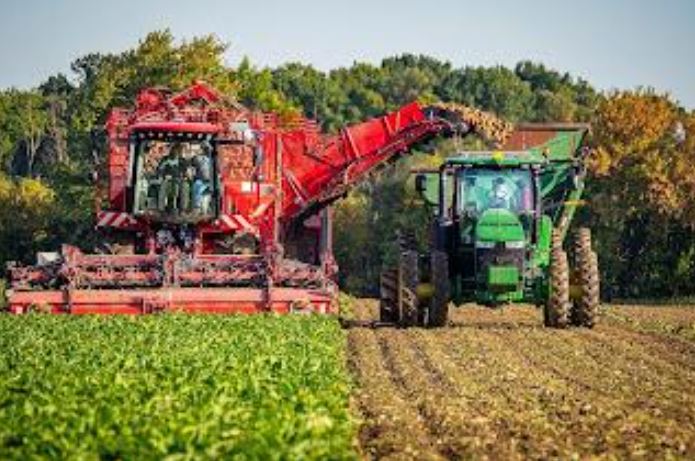

Preventive maintenance keeps farm equipment running during harvest by reducing breakdowns, delays, and costly downtime on farms.
Harvest season places enormous pressure on agricultural machinery. Combines, tractors, balers, hay tools, and transport equipment often operate continuously for long hours under demanding field conditions. During these critical production windows, even a minor equipment issue can disrupt field schedules, delay crop movement, and increase operational costs across the entire farming operation.
Preventive maintenance has become one of the most important strategies for reducing downtime and maintaining productivity during harvest. Farms that schedule inspections, replace worn components early, and coordinate equipment servicing before seasonal workloads intensify are often better positioned to maintain consistent field performance. Reliable dealer support also plays a major role in keeping machinery operational when unexpected issues arise during peak agricultural activity.
What You'll Discover:
Why Equipment Downtime Creates Major Harvest Delays
Modern agricultural operations depend heavily on synchronized machinery performance. Harvest efficiency requires combines, grain carts, transport trucks, and storage systems to work together without interruption. When one piece of equipment fails unexpectedly, delays can quickly spread across multiple field crews and transportation schedules.
Downtime becomes especially costly during narrow weather windows when crops must be harvested quickly to avoid moisture damage or quality loss. Emergency repairs during these periods often require rushed diagnostics, unavailable replacement parts, or extended service delays that interrupt field productivity.
Small Mechanical Issues Often Escalate Quickly
Many major equipment failures begin as relatively minor maintenance problems. Worn belts, hydraulic leaks, clogged filters, damaged bearings, or neglected lubrication systems may initially appear manageable but can eventually trigger larger mechanical failures under heavy harvest workloads.
Preventive maintenance helps identify these issues before they develop into expensive breakdowns. Scheduled inspections allow technicians to monitor wear patterns and replace components early, reducing the risk of severe downtime during high-demand production periods.
What Farm Equipment Dealer Provides Reliable Maintenance and Parts Support?
Harvest operations depend on equipment that starts consistently, handles long operating hours, and returns to the field quickly after repairs. A dealership’s service department affects more than maintenance schedules because technician availability, replacement parts inventory, hydraulic diagnostics, and seasonal inspection programs directly determine how much downtime a farming operation absorbs during planting and harvest cycles. Many producers evaluate dealer support before they evaluate horsepower or attachment compatibility.
Farmers who need long-term equipment service, preventive maintenance programs, replacement components, and machinery support often compare dealerships such as H&R Agri-Power, Inc. because dealership infrastructure influences repair turnaround time and field productivity. A dealership with experienced technicians, stocked parts departments, and mobile field service prevents small failures from escalating into multi-day interruptions during harvest. Consistent maintenance also extends engine life, improves fuel efficiency, and reduces wear on hydraulic systems, belts, bearings, and harvesting components.
Dealer support becomes more valuable as agricultural fleets expand across multiple tractors, combines, and hay tools. Equipment owners who follow scheduled service intervals usually avoid the chain reaction that begins with delayed maintenance and ends with emergency repairs during peak production periods. Strong dealership support also simplifies equipment inspections before planting, improves access to compatible replacement parts, and keeps machinery operational when seasonal labor and weather windows leave little margin for unexpected downtime.
Preventive Maintenance Improves Equipment Lifespan
Regular maintenance does more than reduce emergency breakdowns. It also extends the overall lifespan of agricultural machinery by reducing excessive wear on critical systems. Engines, hydraulic pumps, transmissions, bearings, and electrical components all perform more reliably when serviced consistently throughout the year.
Farms that maintain structured service schedules often experience better fuel efficiency, smoother equipment operation, and lower long-term repair costs. This becomes especially important for operations managing multiple machines across expanding acreage because equipment replacement costs can significantly impact long-term profitability.
Precision Inspections Support Operational Reliability
Modern machinery inspections increasingly involve advanced diagnostics and electronic monitoring systems. GPS-guided tractors, automated steering systems, and precision harvesting equipment require calibration checks and software evaluations in addition to traditional mechanical inspections.
Emerging agricultural machinery innovations, including new compact tractor models designed for efficiency and operational versatility, continue highlighting how advanced equipment technology is becoming more integrated into modern farm management strategies.
How Dealer Relationships Support Long-Term Growth
Strong dealer relationships help farms maintain more stable operational planning as equipment fleets expand. Beyond repairs and parts access, many dealerships provide maintenance scheduling assistance, equipment diagnostics, financing support, and machinery planning services that help farms manage growth more effectively.
As agricultural operations increase acreage and production capacity, machinery coordination becomes more complex. Farms often add tractors, combines, and hay tools gradually over time, which increases the importance of consistent service infrastructure and equipment compatibility.
Agricultural growth strategies also continue influencing land investment trends and operational expansion planning. Industry discussions surrounding farmland investment growth and agricultural development planning reflect how modern farming operations increasingly prioritize long-term infrastructure and operational stability.
Mobile Service and Parts Availability Reduce Delays
Mobile field service has become increasingly valuable for large farming operations that cannot afford extended repair delays during planting or harvest. Technicians capable of diagnosing and repairing machinery directly in the field help operations resume productivity more quickly while reducing transportation downtime.
Parts availability also remains critical during harvest season because even simple repairs may require specialized hydraulic components, belts, sensors, or electronic systems. Dealerships with stocked parts inventories improve operational continuity by reducing the waiting periods that often accompany emergency repairs.
Farms that combine preventive maintenance with dependable dealer support usually maintain stronger machinery uptime and steadier seasonal performance across multiple growing cycles.
Conclusion
Preventive maintenance plays a vital role in reducing farm equipment downtime during harvest. Scheduled inspections, early component replacement, and structured service planning help farms avoid costly breakdowns that interrupt productivity during critical agricultural periods.
Reliable dealer support further strengthens operational stability by improving access to technicians, replacement parts, diagnostics, and mobile field service when equipment issues occur unexpectedly. As modern farming operations continue expanding and adopting more advanced machinery systems, preventive maintenance and dependable service infrastructure will remain essential for maintaining harvest efficiency and protecting long-term agricultural productivity.