


Many workers assume that having a pre-existing condition automatically disqualifies them from workers’ compensation. That belief stops people from filing claims they are legally entitled to pursue, often without ever speaking to a highly recommended best workers comp attorney philadelphia who could clarify their rights. The truth is much better news. In many cases, you are still covered, and the law is often on your side.
Workers’ compensation exists to protect employees when work makes an injury worse, even if that injury started long before the job did. Understanding how this works can be the difference between walking away empty-handed and getting the benefits you deserve.
What You'll Discover:
Pre-Existing Conditions Are More Common Than You Think
Almost everyone carries some kind of prior condition into the workplace. Old sports injuries, arthritis, back issues, or repetitive strain problems are incredibly common, especially in physically demanding jobs.
Fun fact: According to medical studies, more than half of adults over 30 show signs of spinal disc degeneration on imaging scans even if they have never felt pain.
This matters because workers’ comp does not require you to be perfectly healthy before an accident. The system recognizes that work can aggravate, accelerate, or flare up an existing condition. If your job made things worse, coverage may still apply.
How Workers’ Comp Looks at Aggravation vs Cause
This distinction is where many claims succeed or fail, and it is also where confusion sets in for injured workers.
Workers’ compensation does not ask whether work caused your condition from scratch. Instead, it asks whether work contributed to the injury in a meaningful way. If your job aggravated a pre-existing issue, that aggravation itself can be compensable.
For example, someone with a mild back problem who experiences a serious flare-up after lifting heavy materials at work may qualify for benefits. The key is that the job made the condition worse than it was before.
What the Law Usually Requires You to Prove
While rules vary by state, most workers’ comp systems follow similar principles. You generally need to show a clear connection between your work duties and the worsening of your condition.
This does not mean you must prove work was the only factor. Even partial contribution is often enough. Medical documentation plays a major role here, especially records showing how your condition changed after the workplace incident.
Fun fact: Workers’ compensation laws in the United States date back to the early 1900s and were originally designed to avoid lengthy court battles by providing faster relief to injured workers.
Why Insurance Companies Push Back So Hard
If the law allows coverage, why do so many claims get denied?
Insurance carriers frequently argue that your symptoms would have progressed anyway, regardless of work. They may claim your injury is simply part of aging or the natural progression of a condition you already had.
This is where many people feel discouraged and give up too soon. Insurance companies rely on the assumption that workers will not challenge a denial. In reality, denials are often just the opening move in a negotiation.
How Workers’ Compensation Attorneys Make a Real Difference
This is one area where experienced workers’ compensation attorneys truly shine. They understand how to frame medical evidence, communicate with doctors, and push back against insurance arguments.
A skilled attorney knows how to show that work did not just coincide with your symptoms but actively made them worse. They can also help ensure that medical providers clearly document aggravation rather than simply listing a diagnosis. If you are curious about where that kind of support is available, the details just below can help point you in the right direction:
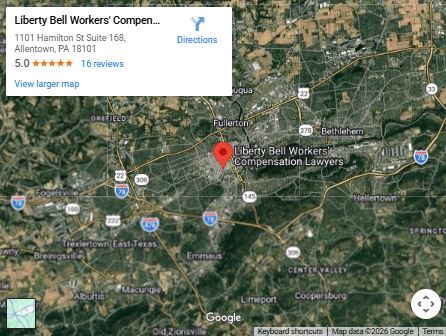
Workers’ compensation attorneys also protect injured workers from common traps like recorded statements or rushed settlements that undervalue long-term medical needs.
Real-World Examples That Surprise People
Consider a warehouse employee with prior knee surgery who slips at work and re-injures the same knee. Or an office worker with carpal tunnel symptoms that become severe after a change in workload. These claims are often valid even though the condition existed before.
Fun fact: Some studies show that repetitive workplace motions can double the risk of symptom flare-ups in people with underlying joint or nerve conditions.
The law recognizes that work environments can turn manageable issues into serious disabilities.
What You Should Do If You Have a Pre-Existing Condition
If you are injured at work and have a prior condition, timing and documentation matter. Report the injury promptly and be honest about your medical history. Trying to hide a pre-existing condition can hurt your credibility later.
Seek medical care and describe how your symptoms changed after the work incident. That change is often the foundation of a strong claim.
You Are Not Asking for Special Treatment
One of the biggest mental barriers workers face is guilt. Many feel they are asking for something unfair because they were not perfectly healthy to begin with.
Workers’ compensation exists precisely because work can be demanding, repetitive, and physically stressful. The system is designed to protect real people with real bodies, not idealized versions of workers.
With the help of knowledgeable workers’ compensation attorneys, many people with pre-existing conditions successfully secure medical care, wage replacement, and long-term support.
If work made your condition worse, you may be covered. Yes, really.