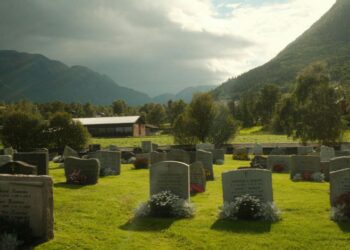


Learn the grass isn’t always greener on the other side and how comparison, choices, and mindset shape real happiness.
The grass Not always green the other side is one K those phrases It follows you quietly into your life, appearing at moments. when doubt swirls and curiosity whispers. That something Otherwise, somewhere else, or someone else might be better than you. I remember the first time this saying really resonated with me, like not a cliché but as a living experience, when I thought that the change in my path Will immediately solve a sense of restlessness I couldn’t explain enough.
Valuing many people, I assumed displeasure meant I was in the wrong place, And of course, the solution Had to be fair over the fence. What is explored in this article? This phrase really means, why are we drawn to comparisons? our lives with others, and how to understand this simple idea may change the way we generate decisions about relationships, Careers, goals and even self- worth.
What You'll Discover:
Understanding the Meaning of“ The Grass Isn’ t Always Greener on the other assistance”
That means it looks better than it does a distance Often followed by its own hidden problems, Challenges and compromises. When we recognize other people’ s lives, works, relationships, or feats, we usually witness a carefully edited version instead of the full reality.
The phrase reminds us that discontent often comes from perception rather than truth, and that changing external circumstances does not automatically supervise happiness or satisfaction. It goes without saying that change is problematic? that improvement is impossible, rather that blind comparison can mislead us into thinking that happiness We live somewhere else instead of where we are.
Where the Saying Comes From and Why This Endures
This proverb has been passed down for generations. Social media Expanded comparison is a daily habit. Historically, it was used to warn people against envy and impulsive decisions, Especially in farming communities where neighboring fields may appear more fertile from afar. What does? It is timeless in its relevance to human psychology, because our brains are wired to see what we lack more than what we have.
Even today, this sentence survives because it has an universal truth about desire, imagination, and dissatisfaction simultaneously, a memorable line which applies to approx every stage of life.
Why us Are Naturally Drawn to Comparison
Comparison It feels almost automatic, and that’s because it’s deeply rooted in how human the diagnosis is progress and status. We look around to understand where we stand, whether we are performing well, and whether we should adjust. Our direction. When does the problem establish? comparison becomes a hypothesis, and assumption becomes dissatisfied.
I’ ve I saw my own life He comparison It rarely comes up when I’m deeply engaged meaningful work Or genuinely happy, but it gets louder when I undergo insecure or disconnected my purpose. How does this pattern appear? comparison Often indicators an internal need instead of an external problem.
Common Reasons People Compare Their lives
A desire to validation and reassurance Fear to be lost better opportunities Uncertainty approx personal decisions Exposure Curated success stories Pressure from societal expectations Each of these causes fuel the belief He someone else’ s grass Green is, even when we don’t quite understand the cost To maintain it.
The Role of Social Media I Making The grass looks green
Social media has intensified dramatically the illusion behind the grass Not always green on the other side. We continuously share highlights, milestones and more polished moments. It rarely involves struggle, boredom or failure. When I scroll social platforms during moments of self- doubt, It’s simple to contemplate that everyone else has life figured out, while I’m lagging behind.
What we forget is that we compare our behind the scenes reality to someone else’ s highlight reel, which is an unfair comparison This almost always leads to dissatisfaction.
How This Mindset is affected Relationships
In relationships, this phrase takes enormous weight. People often wonder if they can be happier than anyone else, especially during rough patches. Something that happens naturally to any long, term connection. I thought that once in a different relationship it would mean fewer conflicts And more excitement, only to realize later every meaningful relationship Effort, communication and compromise are required.
The grass is not always green, the other side reminds us depth and trust is growing over time, and chasing novelty can sometimes mean losing something rare and precious.
Relationship Lessons Hidden I This Phrase
Every relationship There are challenges, even if they are not visible Compatibility Made, not magically found Emotional investment Creates depth that outsiders cannot discern Letting go does not guarantee serenity or happiness Understanding these truths can discontinue impulsive decisions driven temporary dissatisfaction.
Career Choices and the Illusion of Better Opportunities
Career dissatisfaction is one most of all common areas where this phrase becomes painfully relatable. I remember standing at a crossroads, convinced of this a different job title Or the corporation will eventually deliver, only to discover later the stress, deadline, and pressure behind me new forms.
While growth and change is necessary, the grass is not always green. The other side teaches us to consider whether we are running away from something meaningful Or simply run away from the pain.
Signs you Might Be Chasing Illusion
Continuously comparing salaries without considering lifestyle costs To assume another job Will completely eliminate stress The fulfillment of faith comes completely from external success Overlook internal values And long term goals When we pause and reflect, we often find that clarity comes from alignment rather than comparison.
Personal Growth vs Escapism
That’s an important distinction between healthy change and escapism. Healthy change comes from self, awareness, intention, and growth, While escapism is driven by dissatisfaction and avoidance. I learned this the hard way When I situate changing goals, environment, and routines, to analyze the next change It will be fine in the end an internal unease.
It helped me recognize that growth sometimes means living, suffering, and cultivating what is already there, rather than constantly searching for it. A new beginning.
The Psychology Behind Why The other side looks better
Psychologically, individuals tend to idealize alternatives, especially when current circumstances undergo the challenge. This is known as the“ contrast effect,” where we exaggerate the positives of alternatives while zooming in on the negatives of our current situation. Our minds fill in the blanks with imagination instead of evidence, which creates the other side Look greener, simpler and more profitable.
To recognize this mental bias is the first step to balance rational decisions instead of emotion driven individuals.
Real, Life Examples He makes This Saying Click
Just think of two neighbors, one’s wish for city life while the other dreams of the quiet countryside. Everyone is watching the other’ s lifestyle as an escape from their own frustrations, Yet both are ignorant of the unique struggles Different faces daily. This example mirrors how we often present solutions to someone else’ s situation without understanding the trade, offs included in it. The grass is not always green on the other side. It becomes clear when we realize that every choice contains both benefits and burdens.
How Gratitude Changes The color of Your Own Grass
One Most of all powerful antidotes To compare gratitude. When I started to consciously acknowledge what worked my life Instead of focusing entirely on what wasn’t there, my perspective Moved dramatically Gratitude It does not mean to solve or ignore problems, but it creates them a balanced mindset where appreciation and ambition preserve together The grass Not always green the other side becomes less tempting When you acquire to medium your own grass Permanently
Simple Ways to Practice Gratitude
Reflect daily small wins and progress Recognize the effort, not just the results Appreciate stability, not just excitement Recognize growth that others may not recognize These practices Help the anchor contentment in reality Instead of an illusion.
When is the Grass Actually green and how is it?
Know It must be explained this phrase This does not mean that change is never necessary. Sometimes the grass is really green on the other side, especially in the current circumstances, toxic environments, with lack of development, or misunderstandings of core values. There is a difference between intentional change vs impulsive escape. When decisions are made with clarity, self awareness and long term vision, moving to the other side can be a powerful act of self, respect instead of comparison.
Learning to Ask Better Questions
“ One more useful question is,“ What do I really warrant now? This shift tricks the focus from external comparison to internal clarity. In my own journey, learning to ask better questions helped me establish decisions that felt grounded rather than reactive. The grass is not always green, the other side becomes a guide, reminding us to pause before we assume that someone else’ s path holds everything the answers.
The building Contentment Without losing Ambition
Contentment and ambition are not antagonists, although they are often treated as such. You can be grateful for wherever you endeavor growth and improvement. Here’s the key: ambition comes without intent instead of jealousy. When I learned to define success on my own terms instead of borrowing compliments from others, much is lost in the comparison of its power. The grass is not always greener on the other side, encouraging this balance between appreciation and aspiration.
Lessons This Phrase teacher Over Time
As life unfolds, this saying By counsel they grow alive to wisdom. It teaches patience under uncertainty, humility under success, and clarity. Over time, I realized that many of my past desires were not mistaken, but they were incomplete because they neglected the unseen costs. This phrase reminds us gently every choice comes with responsibility, and fulfillment Rarely found by hunting appearances alone.
Practical Takeaways You can apply Today
- Stop before you create major decisions based on the comparison
- Seek full information, No prerequisites,
- Invest energy in improving what you already have,
- Align choices with values rather than jealousy.
- Accept that no path is voluntary of difficulties
These takeaways change the phrase from a warning to a practical life tool.
Key Takings
- Learning to See Clearly But Both Sides of the Fence The grass Not always green on the other side. Not to discourage change or ambition, but to encourage awareness, patience and intentional decision making.
- Through personal experience, Reflections etc countless moments of comparison, I have learned that fulfillment grows from understanding rather than assumption.
- When we conclude romanticizing other people’ s lives and begin to engage fully on our own, we often identify that the grass under our feet Green has been with everyone, just waiting for attention, care and perspective.
Additional Resources
- The Grass Is Always Greener on the Other Side – Idiom Definition: A trusted dictionary explanation from multiple authoritative language sources explaining how the idiom is used in everyday English.