
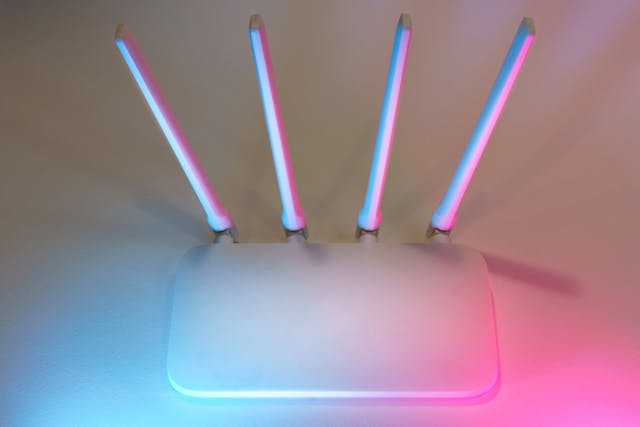

Boost your home network speed today with proven tips to improve WiFi stability, reduce lag, and enjoy faster, smoother internet at home.
In the 21st century, when you do have a slow internet connection, it feels like your entire day has gone for a toss. Whether you are working from home or just trying to enjoy some downtime, everyone wants a seamless digital experience. Entertaining gamers searching for well-known companies can visit https://www.outlookindia.com/xhub/e-gaming/5-web-baccarat-no-agent-2026. Staying Suspended: Keeping Your Connection Stable is Step 1 to Enjoying This Without Frustrating Lag or Sudden Disconnection.
What You'll Discover:
Importance of High Speed Internet in Our Daily Life
We are living in a connected world. From our smart fridges to our professional Zoom calls, the demand for data has reached new levels. If your network crawls, so does your productivity. A high-speed connection is more than just a promise of soaring downloads it’s one of the bedrocks upon which your daily online life rests.
Most folks have no clue how many devices are actually in “communication” with their router simultaneously. It could be downloading updates in the background even when you’re not actively using your phone. All this static can create noise in your signal, and complete even the most simple tasks feel like heavy lifting.
Supply chain networks appear stable but tend to be a periodical declination of being too heavy in number batches.
With downloads, speed isn’t everything; stability usually matters more. If your speed is good but your “ping,” or latency, fluctuates, you won’t have a smooth experience during video calls or while gaming. Throughput: This relates to the consistent flow of data being sent and received.
How to Place Your Router for Besterl Reach
The most common cause for poor performance is simply where you put your router. Most people hide their routers away in a cupboard or behind a TV. This is a mistake; Wi-Fi signals really struggle to pass through solid objects and metal.
For optimal performance, position your router in a high, central location. This means the signal radiates out and down, into your home. Don’t put it near large mirrors or thick concrete walls, which are known to reflect or absorb wireless signals.
Wired vs. Wireless: When to Plug In
And although Wi-Fi is convenient, it is seldom as fast as a direct connection via Ethernet. If you have a stationary device, such as a desktop PC or gaming console, using a Cat6 Ethernet cable is the best move you can make to get your maximum speed.
Interference from microwaves, baby monitors and even your neighbor’s router can create “noise” on your network. A physical wire eliminates all of that interference. It gives your data a separate lane, which is necessary for stable tasks.
How to Manage Your Bandwidth and Connected Devices
All traffic is not equally good traffic. Not so if someone in the house is streaming 4K video while you’re trying to upload a work presentation; your network will be impotent. Also check your router’s Quality of Service (QoS) settings to give priority to important traffic.
Identifying Data-Hungry Background Apps
Some apps are “silent killers” of bandwidth. Applications such as Dropbox, Steam or Windows Update can easily fill your upload or download bandwidth without even realizing it.
Common bandwidth hogs include:
- Cloud backups thatautomatically run whenever you hit save on a file.
- How about background system updates during peak times.
- Social media apps that automatically play HD videos as you scroll.
- Software for uploading via peer-to-peer & after downloading
Moving to a Less Crowded Wi-Fi Channel
If you live in an apartment or a crowded neighborhood, your Wi-Fi is probably battling for space. The vast majority of routers are set to “Auto” by default, but they don’t always select the clearest route. A free Wi-Fi analyzer app can tell you which channels have the most interference.
For 2.4GHz band, try to stick with channels 1,6 or 11. The 5GHz band tends to have a lot more breathing room. Choosing a clear channel manually can immediately minimize interference and increase your overall browsing speed.
Regularly Updating Your Router’s Firmware
This is almost always the case as manufacturers regularly make updates to their software for minor bug fixes and performance improvements. Most people never bother logging into the admin panel of their router to see if there are any updates. An old method is not just slower however it’s less safe especially when attacks are common.
The easiest way to do that is to set your router to auto-update. If your router can’t do that, get into the habit of periodically visiting the manufacturer’s website — maybe every couple months or so. Sometimes the remedy for sudden “mystery” drops in connection is a simple software patch.
Need Mesh System for Large Homes
If you have a big house, one router may not cut it. Wi-Fi extenders are a cheap solution, but they usually halve your speed because they create a second network. The better solution for uninterrupted coverage is a Mesh Wi-Fi system.
In other words, mesh nodes operate together as one giant network. You are guided from room to room and your unit automatically hands off to the strongest node without losing, dropping a connection. This is the gold standard for removing dead zones in modern homes.
Hardware Upgrades that Proceed to Matter
Sometimes your hardware is just too old for your internet plan. You are wasting money if you are paying for 500Mbps while your router can only accommodate older Wi-Fi standards. A significant step up in efficiency can come from upgrading to a Wi-Fi 6 or Wi-Fi 6E router.
How to know if you need a hardware upgrade:
- You have a router that’s over four or five years old.
- The device often feels hot to the touch or requires a reboot once a week.
- You have over 20 smart devices but an entry-level router.
- You don’t even get close to your advertised speeds within reach of the device.
Final
You don’t need to spend worlds of money to speed up network. Sometimes simple adjustments to your network setup or a few tweaks to Wi-Fi settings can translate into big improvements. Being proactive about your home tech can help ensure that your connection is fast and stable, and primed for whatever the future may bring. Keep in mind that the internet is a shared resource in your household. There’ll always be a better experience for every one by communicating with other users and controlling the flow of how devices connect. So don’t let a sluggish signal keep you from working or enjoying your favorite pastimes.