


Getting hurt at work is stressful enough. Add medical visits, missed pay, and confusing paperwork, and it can feel overwhelming fast. The good news is that strong documentation can make the entire workers compensation process smoother and far more successful, especially when guidance from experienced professionals like golden state workers compensation of san diego, helps ensure nothing important is overlooked. Knowing exactly what notes, photos, and records to keep can seriously strengthen a claim and protect your rights if things get complicated later.
Workplace injury documentation is not about creating drama or pointing fingers. It is about clarity, consistency, and proof. When done right, it tells a clear story that insurance adjusters, employers, and workers compensation lawyers can easily follow.
What You'll Discover:
Why Documentation Matters More Than You Think
Documentation is the backbone of a workers compensation claim. Without it, even a legitimate injury can turn into a drawn out dispute.
Before diving into specific records, it helps to understand why this matters. Insurance companies rely heavily on written evidence. Memories fade. Stories change. Paper does not.
Building credibility from day one
Clear documentation shows that you took the injury seriously from the start. It establishes timelines, confirms severity, and reduces the chance of your claim being questioned or delayed. Workers compensation lawyers often say that the strongest cases are not always the most severe injuries, but the most well documented ones.
fun fact The average workers compensation claim includes over 100 pages of documentation by the time it is resolved.
The Exact Notes You Should Be Taking
Written notes are one of the simplest and most powerful tools you have. They help fill in gaps that official reports might miss.
Start writing as soon as possible after the injury occurs. Even a few short sentences can make a big difference.
What your personal injury notes should include
Your notes should read like a timeline, not a complaint letter. Stick to facts and observations. Write down the date, time, location, and what you were doing when the injury happened. Note any equipment involved and whether anyone witnessed the incident.
It is also important to track symptoms over time. Pain levels, stiffness, swelling, or reduced mobility should be recorded daily or weekly. This shows progression and helps medical providers and workers compensation lawyers understand how the injury impacts your ability to work.
Photos That Speak Louder Than Words
Photos provide visual proof that is hard to argue with. A single image can often explain more than a paragraph of text.
Before listing what to photograph, remember that timing matters. Take photos as soon as it is safe to do so, and continue documenting changes.
What to photograph and why it matters
Photograph visible injuries like cuts, bruises, swelling, or burns. Take wide shots and close ups. Include the work environment where the injury occurred, especially if hazards were involved.
If your injury worsens or changes appearance, take updated photos. Consistency over time helps show the real impact of the injury, which is something workers compensation lawyers often rely on when negotiating benefits.
fun fact Studies show that claims with photographic evidence are resolved faster than those relying on written reports alone.
Medical Records That Carry Real Weight
Medical documentation is one of the most critical elements of any workers compensation claim. These records connect your injury to professional diagnosis and treatment.
Before breaking this down further, remember that seeing a doctor promptly is not just good for your health. It strengthens your case.
Medical details that should always be documented
Medical records should clearly state how the injury occurred, that it is work related, and what limitations you have as a result. Follow up visits matter just as much as the initial exam.
Keep copies of diagnoses, treatment plans, prescriptions, physical therapy notes, and work restriction forms. Workers compensation lawyers often review these records carefully to ensure consistency between what you report and what doctors document.
Employer and Workplace Records You Should Request
Employers generate their own paperwork after a workplace injury. These records can support your claim if they are accurate and complete.
Before requesting anything, stay professional and organized. You are entitled to these records in most cases.
Key employer documents to keep on file
Incident reports, internal emails discussing the injury, and safety reports related to the incident location are all valuable. If light duty or accommodations are offered, get those in writing.
Pay stubs showing reduced hours or missed workdays can also help demonstrate financial impact, something workers compensation lawyers often use when calculating benefits.
fun fact Workplace injuries are most likely to occur on Mondays, partly due to fatigue and adjustment after the weekend.
How Workers Compensation Lawyers Tie It All Together
Documentation alone is powerful, but knowing how to use it effectively is where experience matters. This is where workers compensation lawyers play a key role. They review records for gaps, inconsistencies, or missing details that could weaken a claim. They also know how to present documentation in a way that insurance carriers take seriously. A good workers compensation lawyer does not just file paperwork. They build a clear narrative using your notes, photos, and records to protect your benefits and reduce stress during recovery.
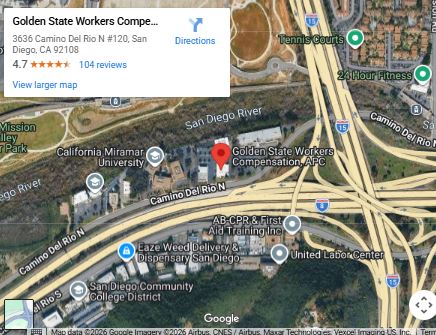
The section below offers a closer look at where this level of legal guidance can be found:
Protecting Yourself After a Workplace Injury
Strong documentation is one of the most practical things you can do after a workplace injury. It puts you in control during a time that can otherwise feel uncertain.
By keeping clear notes, taking meaningful photos, saving medical records, and working with experienced workers compensation lawyers, you give your claim the structure it needs to succeed. Injuries may be unexpected, but protecting your rights does not have to be.