
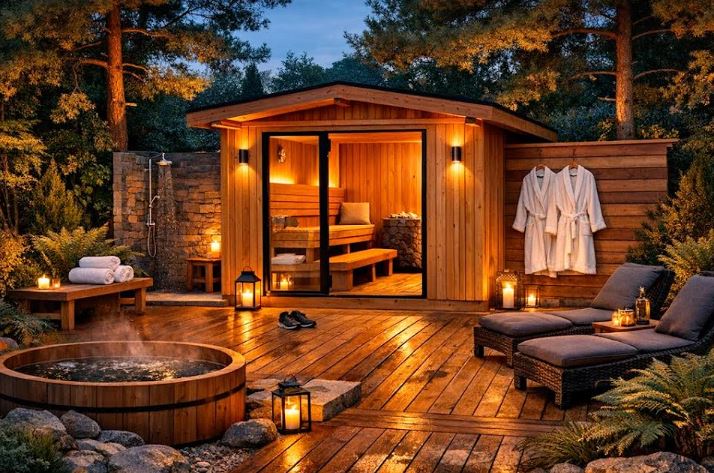

Discover how home and garden saunas support recovery for active lifestyles. Outdoor wellness at home for runners, cyclists and hikers.
If you love being outside, you probably know the pattern: long hikes, muddy winter runs, cold bike rides, then straight back into everyday life with a quick shower and a snack. Recovery often gets squeezed out, even though your body is taking a regular battering from hills, weather and miles.
Many wildup-type readers live like this: weekday city or suburban routines, then weekends and evenings spent outdoors. The downside is that without any structured recovery, fatigue, soreness and minor injuries build up, especially in a damp, chilly UK climate.
A home or garden sauna brings part of that Scandinavian / Alpine wellness culture into your own space. Instead of “spa once a year”, you get consistent, low-effort recovery built into the place you already live.
What You'll Discover:
Why Recovery Matters for Outdoor-Active People
Every run, ride, hike or paddle puts stress on your body:
- muscles are pushed harder than in normal daily life;
- joints and tendons absorb impact, especially on descents or rough ground;
- your system deals with cold, wet and wind on top of the workload.
That’s how you adapt and get fitter – if you recover. When you don’t, you tend to see:
- constant background tiredness;
- aches that linger instead of fading;
- a higher risk of small injuries or burning out on the thing you actually enjoy.
You don’t need medical jargon here: basic recovery means helping your body unwind, your circulation do its job, and your head switch out of “go-mode” for a while. Heat, rest and a clear end-of-day ritual all help.
How Sauna Sessions Support Recovery and Wellbeing
Used sensibly, a sauna is a simple, repeatable way to support that process, especially when your sports involve cold and bad weather.
Deep Warmth After Cold Sessions
After a winter run in sideways rain, or a long ride into a headwind, a quick hot shower doesn’t always reach the deep chill. A short sauna session:
- warms you evenly from the inside out;
- helps tight muscles relax after heavy use;
- makes it easier to truly wind down instead of shivering under a blanket.
That feels particularly good after activities with stop-start patterns – belaying when climbing, photographing outdoors, group rides with pauses – where you get repeatedly cold.
A Clear “End of Day” Ritual
A simple post-session routine might look like:
- Finish outside; rehydrate and grab a light snack.
- Take a short sauna session, with breaks to cool off.
- Shower, then properly rest.
This gives your body and brain a clear message: “We’re done now.” It can:
- drop stress levels after hard efforts or long drives home;
- nudge you towards better sleep on training days;
- make your outdoor days feel finished, not just interrupted by the next task.
Bringing the Mountain Spa Home
If you’ve skied or hiked in mountain regions, you’ll recognise the pattern: cold day, hot sauna, food, sleep. A home or garden sauna lets you recreate that rhythm in a UK semi or terrace, even if your “mountains” are local trails and coastal paths.
Why a Home or Garden Sauna Often Beats a Gym Sauna
Gym and leisure-centre saunas are fine in theory; in practice, they don’t always fit real life.
Time, Access and Crowds
Using a gym sauna usually means:
- travelling there and back;
- working around opening hours;
- sharing space with strangers.
With your own sauna you can:
- step in for a short session right after an evening run, even when it’s late;
- use it more often because there’s no extra logistics;
- keep the experience quiet, calm and on your own terms.
Fits Around Family and Real Schedules
At home:
- partners can join in regardless of their own sports or gym habits;
- sporty teens can use it after training (with sensible limits);
- it can become a winter ritual – a healthier alternative to slumping in front of a screen.
For many people, that mix of convenience and privacy is what turns sauna use from “occasional luxury” into a genuine part of their active lifestyle.
Choosing the Right Home or Garden Sauna
Thinking like a practical homeowner upfront saves a lot of frustration later.
Location: Indoors vs Garden
You essentially have three options:
- Indoor sauna – in a spare room, loft area or bathroom extension. Very convenient, but needs good ventilation and planning.
- Attached sauna – opening off a utility or back lobby, with easy access outside for cooling off.
- Standalone garden sauna – a small cabin or pod set on a terrace or hard-standing in the garden.
Garden saunas suit many UK properties because they don’t steal indoor floor space and naturally connect to how you already use your outdoor area.
Size and Layout
Ask:
- How many people will realistically use it together?
- Do you want it mainly as a solo recovery space, or a social ritual too?
- Do you need room for two bench levels, or is a simple layout enough?
A compact, well-insulated cabin that you use three times a week is worth more than an oversized showpiece that rarely gets turned on.
Build Quality, Insulation and Power
A sauna has to handle both high internal temperatures and UK weather outside:
- quality timber and construction;
- proper insulation so it heats efficiently and is usable in winter;
- reliable doors and any windows;
- a safe, correctly sized heater and electrical supply.
If you want the cabin to feel integrated with the rest of your garden, not like a random box dropped on the lawn, it pays to choose something purpose-built rather than improvised. For example, Woodera provides home and garden saunas in England that are designed as proper outdoor wellness cabins, with the insulation and materials needed for year-round use rather than just the odd warm weekend.
If you’re still weighing up options more broadly, looking at dedicated outdoor wellness cabins and sauna solutions in the UK can help you compare different footprints, layouts and finishes before you commit to a particular model or location.
Turning Your Sauna Corner Into an Outdoor Retreat
The structure is only part of the experience; the small area around it matters too.
Consider:
- Ground surface – decking, stone or composite so you’re not stepping out into mud or soaked grass.
- Hooks, benches and storage – for robes, towels, sandals and hats, so everything has a home.
- Lighting – warm wall lights or low bollard lights to make winter nights inviting, not gloomy.
- Planting – evergreens, pines, grasses or ferns can create a “forest edge” feel; herbs and low shrubs can soften the edges of hard surfaces.
Think in terms of small rituals:
- stepping outside on a frosty morning, taking a short heat session before a cold run;
- coming back from a wet, dark ride and knowing there’s a warm cabin waiting;
- planning occasional “home spa” evenings with friends instead of another trip to a busy shopping centre.
The goal is not luxury for its own sake, but making good recovery as easy and attractive as lacing up your shoes.
Safety, Habits and Getting the Most From Your Sauna
You don’t need a complex rulebook, just some common-sense boundaries.
Basic Safety
- Skip sauna sessions if you’re drunk, dehydrated or feeling unwell.
- Don’t treat it like an endurance test – very long, very hot sessions add risk without adding benefit.
- Ventilate regularly and keep the timber in good condition.
- If you have health conditions or worries, talk to a medical professional before diving into regular use.
Building a Sustainable Routine
- Aim for short, regular sessions – for example, a couple of 10–15 minute rounds a few times per week, with cool-down breaks.
- Pay attention to how you feel and adjust time and temperature accordingly.
- Leave your phone outside and treat the sauna as a small “digital-free zone” to let your brain, not just your muscles, decompress.
Used this way, a sauna becomes another tool in your outdoor lifestyle kit – alongside your trail shoes, bike and waterproofs.
Final Thoughts: Bringing Outdoor Culture into Everyday Life
For people who love being outside, a home or garden sauna isn’t a random luxury add-on. It’s a logical next step: a way to take recovery as seriously as you take your training or adventures, without adding more hassle to your week.
By choosing the right size and location, paying attention to build quality and creating a simple routine you actually enjoy, you turn a corner of your home or garden into a small, dependable retreat – one that keeps you recovering, recharging and ready for whatever the weather and the trail throw at you next.