
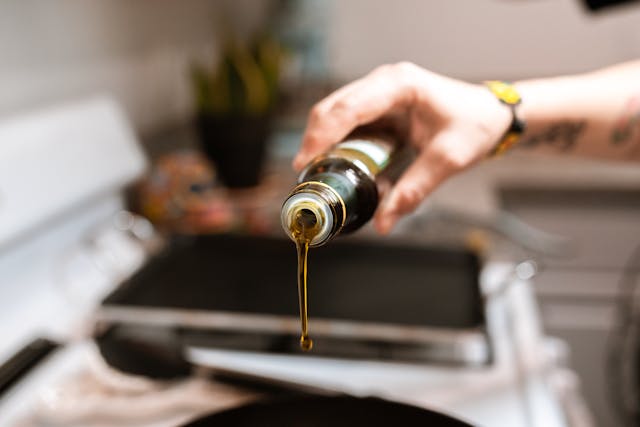

Discover how used cooking oil from Irish kitchens transforms into renewable biodiesel, powering vehicles sustainably with Frylite.
Imagine stepping into the bustling kitchen of a traditional Irish pub in Dublin or a cosy café in Cork at the end of a busy Friday night. The air is thick with the aroma of golden chips and sizzling fish, but behind the scenes, something less glamorous awaits: barrels of dark, greasy used cooking oil (UCO). For decades, this kitchen byproduct was a headache, poured down drains, dumped illegally, or left to clog waterways and landfills. It polluted rivers, attracted pests, and contributed to environmental chaos. Today, thanks to innovative companies like Frylite Solutions, that same waste oil is embarking on an extraordinary transformation. What was once kitchen waste is now powering cars, buses, and trucks across Ireland as renewable biodiesel. This is the remarkable journey of UCO with Frylite, one of Ireland’s leading pioneers in turning waste into green energy.
Frylite Solutions has revolutionised the food service industry since establishing itself as the go-to partner for over 8,500 businesses, from small independent eateries to multinational chains. Operating across the entire island of Ireland, Frylite doesn’t just supply fresh cooking oil; it delivers a complete, seamless closed-loop service. Every year, the company supplies more than 32.5 million litres (over 30,000 tons) of high-quality fresh cooking oil while simultaneously collecting a staggering 22 million litres (over 20,000 tons) of used cooking oil. That’s the equivalent of recycling the output from thousands of kitchens week in, week out. With a fleet of 50 specialised vehicles, each equipped with dual tanks for fresh oil delivery and waste oil collection, Frylite makes sustainability effortless.
The journey begins right in the kitchen. Frylite provides every customer with free, high-quality wheelie bins specifically designed for safe UCO storage. These bins are clean, well-maintained, and replaced as needed, no hassle, no cost. When the fresh oil delivery arrives (which happens on a regular, reliable schedule), the same driver simply sucks the used oil from the bin into the separate waste tank on the truck. It’s a one-stop operation that fits perfectly into the hectic rhythm of restaurant life. No extra trips, no messy transfers, and crucially, no risk of illegal dumping or drain blockages. Local customer service teams and regional depots ensure collections are punctual and professional, whether you’re in bustling Belfast or rural Kerry.
Once collected, the UCO begins its real adventure. Trucks transport it from local depots to Frylite’s dedicated processing facility in Strabane, Co. Tyrone. Here, the oil undergoes a meticulous transformation. It is de-packed, heated to separate impurities, cleaned, and thoroughly filtered. What emerges is a refined feedstock ready for the next stage. The magic happens through a chemical process called transesterification. In simple terms, the used cooking oil reacts with methanol and a catalyst to produce biodiesel and glycerine as a byproduct. Remarkably, every 1 kg of processed UCO yields 0.97 kg of high-quality biodiesel, almost a one-to-one conversion that wastes virtually nothing.
This biodiesel doesn’t stay isolated. It is blended into standard diesel fuel at a ratio of 5–7%, depending on government requirements in the Republic of Ireland or the UK. The result? A cleaner-burning renewable fuel available at petrol stations nationwide. The next time you fill up your diesel car or bus in Ireland, there’s a good chance a tiny but powerful portion of your journey is powered by the chip fat from last night’s dinner. Frylite proudly notes that 100% of the waste oils it collects are recovered and turned into biofuels. “The next time you are filling up your car with diesel, your journey is part powered by the good people at Frylite Solutions!” as their sustainability messaging beautifully puts it.
The environmental impact is nothing short of impressive. Diverting used cooking oil from landfill prevents massive pollution and delivers significant carbon savings. According to Frylite’s data, each ton of UCO diverted saves 3.2 tons of CO₂ equivalent. With over 20,000 tons collected annually, that translates to more than 64,000 tons of CO₂ emissions avoided every year, an astonishing achievement. In 2023 alone, Frylite’s UCO recycling efforts saved 41,768 tonnes of CO₂, equivalent to the annual emissions of over 4,000 people or the carbon absorption of more than 2 million trees. Biodiesel itself brings additional benefits: it is renewable, biodegradable, non-toxic, and suitable for sensitive environments. It reduces greenhouse gas emissions, cuts air toxics from older vehicles, and displaces fossil diesel produced from imported petroleum.
This isn’t just feel-good greenwashing. Frylite’s model aligns perfectly with Ireland’s ambitious climate goals and the EU’s Renewable Energy Directive. By keeping operations domestic, from collection to processing to biofuel production, Frylite supports local jobs, reduces transport emissions, and strengthens the circular economy. Businesses using the service gain more than environmental credentials. The collection is completely free when bundled with fresh oil deliveries. Frylite handles all regulatory compliance, insurance, and paperwork, protecting customers from hefty fines for improper disposal. Monthly automated reports track oil usage and waste volumes, giving restaurants clear data to meet reporting requirements without lifting a finger.
For the hospitality sector, which faces tight margins and constant pressure to go greener, Frylite’s service is a game-changer. Chefs and managers can focus on what they do best, delivering delicious food, while knowing their kitchen waste is quietly fighting climate change. The system also extends to broader sustainability efforts. Frylite offers food waste collection that turns scraps into biogas, biofertiliser, and even electricity, creating multiple streams of renewable value from what was once landfill fodder.
Looking ahead, Frylite continues to innovate. The company is exploring advanced biofuels like Hydrotreated Vegetable Oil (HVO), which offers even cleaner combustion and lower emissions through a specialised hydrotreatment process. With growing demand for sustainable fuels and tightening regulations on single-use plastics and waste, Frylite’s “supply-collect-convert” philosophy positions it as a leader in Ireland’s green transition.
So, the next time you enjoy a plate of perfectly fried chips in Ireland, remember the hidden journey. That golden oil didn’t end its story in the kitchen sink, it travelled from your local restaurant, through Frylite’s efficient network, and into the fuel tank of a vehicle powering someone else’s day. From greasy waste to renewable biodiesel, Frylite has turned a kitchen problem into a nationwide solution. In doing so, it’s helping build a cleaner, more sustainable Ireland, one litre of used cooking oil at a time.
This circular success story proves that true sustainability doesn’t require grand gestures. Sometimes, it starts with something as simple as collecting the oil after the fryer cools down. Frylite shows us that when businesses, innovation, and environmental responsibility align, even the humblest waste can fuel a brighter future.