
Discover why expedition cruises are rising among wildlife lovers seeking remote, untouched ecosystems and unique nature experiences.
Wildlife travel has genuinely taken off in recent years. More and more people are looking beyond the usual package holiday and seeking out places where nature still feels wild and largely undisturbed. Traditional safaris haven’t gone anywhere, of course, but expedition cruises have quietly carved out their own space as one of the most rewarding ways to reach ecosystems that would otherwise be almost impossible to visit. Polar ice, isolated island chains, remote coastlines – these are the kinds of places that simply don’t show up on a standard holiday itinerary.
Getting to the departure point is half the challenge with some of these trips. Ports in Iceland, South America or the Mediterranean aren’t always straightforward to reach, and many travellers opt for fly cruise deals that bundle the flight and cruise together, which tends to simplify the whole process considerably.
What draws wildlife enthusiasts to expedition cruising specifically is that it feels nothing like a conventional cruise. There’s far less emphasis on onboard entertainment and far more on what’s actually outside – remote coastlines, polar regions and island ecosystems teeming with biodiversity.
What You'll Discover:
What makes expedition cruises different?
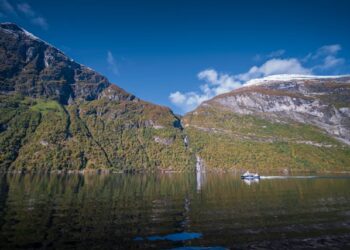
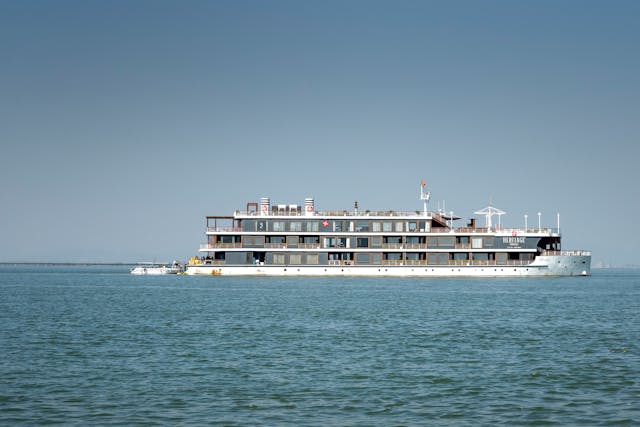
The ships themselves are a good place to start. Expedition vessels are much smaller than the floating resorts you see in places like the Caribbean, and that size difference matters enormously. Smaller ships can slip into narrow fjords, navigate shallow coastal waters and reach protected marine areas that larger vessels simply couldn’t access.
Rather than pulling into busy commercial ports, expedition itineraries focus on wilderness – remote beaches, tundra landscapes and rocky island shorelines where wildlife colonies gather in remarkable numbers.
Most expedition ships also carry specialist naturalists on board. Daily briefings, informal talks, guided observations – it all helps travellers make sense of what they’re seeing, whether that’s animal behaviour, geology or the environmental pressures facing these fragile habitats. That educational side is a big part of why this kind of travel appeals to people who are serious about nature and conservation.
Wildlife encounters in remote regions
The real draw, though, is what you actually get to see. Many of these habitats sit along coastlines or on remote islands, and travelling by sea is often the only practical way to reach them without causing significant disruption.
Antarctica is probably the most iconic destination. Huge penguin colonies, seals lounging on ice floes, the sheer scale of the landscape – it’s difficult to describe without sounding hyperbolic. Zodiac boats, the small inflatable craft used for shore landings, allow passengers to get remarkably close without overwhelming these areas.
The Arctic offers something different but equally compelling. Svalbard in particular is extraordinary – polar bears, walruses, Arctic foxes and puffins nesting on sheer clifftops, all adapted to conditions that would be completely inhospitable to most living things.
Further south, the Galápagos Islands draw expedition ships precisely because the wildlife there exists nowhere else on Earth. Marine iguanas, giant tortoises, sea lions that seem completely unbothered by human presence – the whole archipelago is strangely wonderful. Each of these places illustrates just how deeply wildlife depends on coastal ecosystems, and why arriving by sea makes such a difference.
Exploring nature by Zodiac and on foot
One thing that separates expedition voyages from conventional cruises is that you’re not just observing from the deck. Daily landings and small boat excursions get people into the landscape rather than simply past it.
Zodiacs are brilliant for this. They can navigate shallow inlets, narrow coastal passages and right alongside a glacier face – places the ship itself can’t reach. Shore landings operate under strict environmental guidelines, with designated walking routes and sensible distances from wildlife. In practice, it means the whole thing is done thoughtfully rather than chaotically, and the landscapes themselves make it more than worthwhile. Tundra plains, volcanic islands, beaches that no road has ever reached – for anyone who loves wild places, there’s something genuinely special about exploring them this way.
Learning about fragile ecosystems and responsible tourism
The educational dimension keeps coming up when people talk about what made their expedition cruise memorable. Many ships carry scientists or environmental specialists alongside the naturalist guides, and their talks add real depth to the experience – whale migration, the role of sea ice in polar ecosystems, how island biodiversity holds together. These aren’t dry lectures. They’re conversations happening in context, often just hours after seeing the very things being discussed.
Responsible tourism practices sit alongside all of this. Expedition cruises operate in some of the world’s most sensitive environments, and there are genuine rules in place to reflect that. Visitor numbers ashore are typically limited, and passengers are briefed on wildlife etiquette before each excursion – keeping a safe distance from animals, no sudden movements, sticking to marked paths. In Antarctica, international agreements regulate what operators can and cannot do. The Galápagos and the Arctic have their own frameworks along similar lines. For travellers who care about conservation, this matters. It means you can enjoy these places knowing they’re being looked after properly.
A growing interest in nature-focused travel
The rise of expedition cruising sits within a broader shift in how people think about travel. There’s a growing appetite for experiences that feel genuinely connected to landscape and wildlife. Remote environments carry a particular appeal – polar regions, island archipelagos, coastal wilderness that still feels like somewhere worth discovering.
For wildlife enthusiasts, expedition cruising offers an unusual vantage point. Coastlines, fjords and remote islands are landscapes defined by the meeting of land and sea, and travelling through them reveals a world that’s easy to overlook from land. Penguins along Antarctic shores, whales surfacing beside Arctic ice, sea lions on volcanic islands – these aren’t just impressive sightings. They’re reminders of how interconnected and diverse these ecosystems really are, and how much is at stake in keeping them intact.