
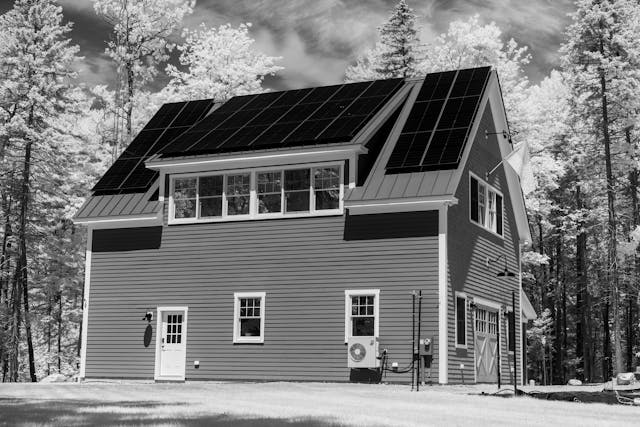

Protect your home with roofing tips that extend lifespan, enhance curb appeal, and save money on repairs.
A roof isn’t just a layer of protection. It’s the part of your home (or building) that takes the most daily abuse from weather, temperature swings, wind, and debris, while still being expected to look clean and hold strong year after year.
And whether you’re planning simple repairs or full residential and commercial roof upgrades, the truth is the same: the best results come from understanding what your roof actually needs, and acting before small issues turn into expensive surprises.
This guide breaks down the smartest roof improvement options, the signs your roof is asking for help, and how to make decisions that protect your property without wasting money.
What You'll Discover:
Why Roof Upgrades Are Worth It (Even When Nothing Looks Wrong)
A roof doesn’t always fail dramatically. In fact, many roofs slowly lose performance long before you see obvious damage.
Upgrades are often less about “fixing a leak” and more about improving the entire roofing system so it handles water, heat, wind, and aging better over time.
Roof Improvements Protect More Than the Shingles
Most people think of a roof as the visible surface. But what actually protects your structure is a system made up of multiple layers working together.
That includes:
- Underlayment that resists moisture intrusion
- Flashing that seals vulnerable edges and joints
- Ventilation that prevents trapped heat and condensation
- Drip edges and gutters that guide water away properly
- The roof covering itself (shingles, metal, etc.)
When one piece fails, the rest gets stressed.
The Best Upgrades Save Money in the Long Run
A quality roof improvement can reduce:
- Repeated repair costs
- Energy loss from poor ventilation
- Interior moisture problems
- Mold risk in attic spaces
- Structural damage caused by slow leaks
Even small upgrades can buy you years of extra roof life.
The Most Common Signs Your Roof Is Ready for Improvement
Your roof will usually give you warnings. The problem is, most of them are subtle enough to ignore.
Here are some signs you should take seriously.
Interior Clues You Shouldn’t Brush Off
If you notice any of the following inside the building, your roof may already be underperforming:
- Water stains on ceilings or walls
- Peeling paint near the top of rooms
- Musty smells after rain
- Unexpected humidity indoors
- Drafts coming from attic access points
Exterior Red Flags That Signal Wear
A quick look from the ground can reveal a lot. Watch for:
- Missing or curling shingles
- Dark streaks or patches
- Sagging roof lines
- Granules collecting near downspouts
- Cracked or separated flashing
Even if there’s no active leak, these issues can worsen quickly during storms.
Roof Upgrade Options That Deliver the Biggest Impact
Not all upgrades are equal. Some improve durability. Some improve appearance. Some solve hidden performance issues that most homeowners don’t realize exist.
The best roof plan usually combines a few key improvements.
Better Ventilation for a Cooler, Drier Roof System
Ventilation is one of the most overlooked roofing topics, yet it plays a massive role in roof lifespan.
When airflow is poor:
- Heat gets trapped
- Shingles age faster
- Attic insulation performs worse
- Condensation builds up
- Wood components can weaken
A ventilation upgrade can be one of the highest-value improvements you can make.
Flashing Upgrades for Leak Prevention
Flashing protects the most leak-prone areas of the roof, including:
- Chimneys
- Valleys
- Skylights
- Roof-to-wall transitions
- Pipe penetrations
If flashing is cracked, rusted, or installed poorly, water will find its way in eventually.
Material Upgrades for Longer Lifespan
Sometimes the roof isn’t failing because of workmanship. Sometimes it’s just a lower-grade material reaching the end of its life.
Common upgrade paths include:
- Standard shingles to architectural shingles
- Aging shingles to standing seam metal
- Basic underlayment to synthetic underlayment
- Old ridge caps to reinforced ridge systems
Choosing the Right Roofing Material Without Overthinking It
Roofing materials can get confusing fast, especially when every option is marketed as “the best.”
The truth is: the best material depends on your goals, your building, and how long you want the roof to last.
Asphalt Shingles: Popular for a Reason
Asphalt shingles remain one of the most common options because they offer a strong balance of:
- Cost
- Style options
- Repairability
- Decent lifespan when installed correctly
Architectural shingles are often a worthwhile step up from basic 3-tab shingles.
Metal Roofing: Durable and Clean-Looking
Metal roofing is often chosen for its longevity and low maintenance.
It can offer:
- Excellent wind resistance
- Strong performance in heavy rain
- A modern, clean appearance
- Long service life
It may cost more upfront, but it’s often a “buy once” kind of roof.
Flat and Low-Slope Roofing: Special Considerations
Low-slope roofing requires materials designed to handle standing water and seam integrity.
Depending on the structure, options may include:
- Modified bitumen
- TPO
- EPDM
- PVC systems
The key is proper installation, drainage planning, and seam quality.
What Most People Get Wrong About Roof Repairs and Replacements
Many property owners wait too long, or they replace too early. Both are expensive mistakes.
The goal is to make the right move at the right time.
Repairs Make Sense When the Roof Is Still Structurally Sound
A roof repair is usually a good choice when:
- The roof is under 10–15 years old
- Damage is isolated
- Flashing is in good condition
- There are no recurring leaks
- The decking underneath is solid
A good repair should fix the issue and prevent it from returning.
Replacement Makes Sense When Issues Keep Returning
If you’ve repaired the same general area more than once, it’s often a sign of system-wide aging.
In that case, a full replacement may actually be the more cost-effective move.
If you’re unsure what direction makes the most sense, reach out to Horch Roofing of Warren, ME for an honest evaluation and clear recommendations based on what your roof actually needs.
How to Make Sure Your Roof Upgrade Is Done Right
Even the best roofing material can fail early if the work is rushed or incomplete.
A quality upgrade isn’t just about what gets installed. It’s about how it’s installed.
Ask About the Full Roofing System, Not Just Shingles
A good contractor should be able to explain:
- Underlayment type and placement
- Ice and water barrier protection
- Flashing details
- Ventilation plan
- Ridge and hip sealing
- Cleanup and nail sweep process
If someone only talks about shingles, that’s a red flag.
Get Clear Expectations on Timeline and Disruption
Roof upgrades don’t have to be chaotic, but you should know what to expect.
A professional team should set expectations around:
- Noise and daily working hours
- Access to driveways or yards
- Material delivery timing
- Weather delays
- Final inspection and walkthrough
The smoother the process, the more confident you can feel in the result.
How Roof Upgrades Improve Curb Appeal and Property Value
Even if you’re not selling soon, a roof upgrade can change the entire feel of a property.
A worn roof makes a building look tired, even if everything else is well maintained.
The Roof Is One of the First Things People Notice
Whether it’s a home or a business property, people subconsciously judge the condition of the entire structure by the roof.
A clean, well-installed roof communicates:
- Stability
- Good maintenance
- Pride of ownership
- Long-term value
Buyers and Tenants Care About Roof Condition
When someone is deciding whether to buy, rent, or lease a property, roof condition can be a deal-breaker.
A roof upgrade helps reduce uncertainty and improves confidence, which can absolutely influence perceived value.
Final Thoughts
Roofing decisions are expensive, and nobody wants to feel pressured into making them.
The best approach is to treat roof improvements like smart property maintenance: plan ahead, fix small problems early, and invest in upgrades that actually extend roof life.
A roof that performs well doesn’t just prevent leaks. It protects the entire structure, reduces stress, and keeps your property looking sharp for years.
If you’re considering improvements, start with an inspection, ask the right questions, and choose upgrades that make sense for your building’s needs and your long-term goals.